

How to improve daily energy without chasing extreme routines, miracle products, or unrealistic lifestyle changes.
Health note: I’m an AI, not a medical professional—treat this as informed wellness education, not a medical diagnosis. Persistent, severe, or unexplained fatigue should be discussed with a qualified healthcare professional.
Feeling tired does not always mean that you need a stronger coffee, a more intense workout, or another productivity app. Sometimes the problem is less dramatic and more ordinary: your sleep schedule changes every night, your meals are unpredictable, your phone keeps your brain switched on, or your workday leaves no room for recovery.
Fatigue is not a single experience. You may feel physically weak, mentally foggy, sleepy, unmotivated, or simply unable to start the task in front of you. These feelings can come from everyday habits, emotional pressure, medication, illness, or several factors working together. MedlinePlus explains that fatigue can follow physical activity, stress, boredom, or a lack of sleep, but it can also be connected to a mental or physical condition. MedlinePlus’s fatigue overview is a useful starting point for understanding that distinction.
This energy audit is not a promise to fix every cause of tiredness. It is a practical way to examine the routine factors you can observe and adjust. The aim is not to redesign your whole life in one weekend. It is to identify one or two habits that may be quietly draining your energy and test a more supportive alternative for the next seven days.
Start With an Energy Audit, Not Self-Blame
Before changing anything, notice when your energy is highest and lowest. Record your sleep and wake times, meals, caffeine, movement, screen use, stressful events, and energy level in a simple note. You do not need a sophisticated tracker. A few honest observations can reveal patterns that are easy to miss when every tired day feels the same.
Ask yourself whether you feel sleepy, physically exhausted, mentally overloaded, or emotionally flat. These experiences can overlap, but they may point toward different areas to investigate. You might discover that your afternoon slump follows a skipped lunch, that your evening fatigue follows hours of uninterrupted screen work, or that you wake tired after spending enough time in bed because your sleep is repeatedly interrupted.

A short diary also keeps the process realistic. It can reveal which routine changes are most likely to improve daily energy for your schedule. You are not trying to prove that every low-energy day is your fault. You are collecting clues. That mindset makes it easier to improve daily energy through small changes rather than harsh self-criticism.
An Unstable Sleep Schedule Can Undermine the Whole Day
Sleep is the first habit to review because it influences attention, mood, recovery, and the way you experience effort. If you want to improve daily energy, a steadier sleep pattern is one of the most practical places to begin. You may spend enough hours in bed but still feel depleted if your bedtime changes dramatically, your sleep is interrupted, or your room is uncomfortable. The CDC’s sleep guidance recommends consistent sleep and wake times, a relaxing sleep environment, limiting screens before bed, and paying attention to caffeine, alcohol, meals, and exercise timing.
A realistic improvement does not require a perfect bedtime. You can improve daily energy through consistency rather than perfection. Start by choosing a wake-up time that stays reasonably consistent on most days. Then move your evening routine earlier by fifteen or thirty minutes. Dim the lights, finish demanding work, and give your brain a predictable signal that the day is ending. If you cannot sleep, do not turn the bedroom into a place for scrolling, arguing, or catching up on work.
Sleep quality also matters. Loud snoring, repeated gasping, frequent waking, or persistent daytime sleepiness are not simply motivation problems. They can be signs that deserve professional evaluation. A consistent routine may support better sleep, but it should not replace medical assessment when symptoms continue. In that situation, trying to improve daily energy should include professional guidance.
Late-Night Screens Keep the Day Mentally Open
Your phone may not be physically exhausting you, but it can keep your attention in a state of constant reaction. This matters when you are trying to improve daily energy and protect your recovery. Short videos, messages, breaking news, work notifications, and emotionally intense conversations can make it difficult to transition into rest. Even when you put the device down, your mind may continue processing the stimulation.
Try creating a clear closing ritual rather than relying on willpower. This is a simple way to improve daily energy without demanding a complete digital detox. Set a time when non-essential notifications stop. Charge your phone away from the bed if that is practical. Replace the final part of scrolling with a shower, light reading, gentle stretching, music, or preparation for the next morning. The goal is not to reject technology. It is to stop technology from deciding when your day ends.
A screen boundary can also improve the morning. Protecting the first part of the day may help you improve daily energy before notifications take over your attention. If the first ten minutes after waking are spent reading alerts, your mind begins the day in response mode. Put water, movement, daylight, or a quiet breakfast before the first major information feed. This small sequence can help improve daily energy by reducing the feeling that your attention is already behind.
Long Sedentary Blocks Can Make You Feel Heavier
Many people assume that feeling tired means they should remain still. Yet a long period of sitting can make your body feel stiff and your mind feel sluggish. Desk work, studying, commuting, and entertainment can combine into a day with very little physical variation.
You do not need to turn every break into a workout. Stand during a phone call, walk while listening to an audio note, take the longer route to refill water, or spend two minutes moving your shoulders and hips between tasks. These interruptions are small, but they break up the physical monotony of a sedentary day.
The CDC’s physical-activity guidance explains that regular movement supports health, and activity can be accumulated through different forms rather than one dramatic session. If you have a health condition, pain, or a long period of inactivity, choose a level that feels appropriate and ask a professional for guidance when needed.

The useful question is not “Did I complete a perfect workout?” It is “Did my body get regular opportunities to move today?” For many people, that change in perspective is enough to improve daily energy during a desk-heavy week and make daily movement easier to repeat.
Irregular Meals Can Create Predictable Energy Dips
When the day becomes busy, food is often the first routine to disappear. A predictable meal rhythm can make it easier to improve daily energy during demanding weeks. You may delay breakfast, work through lunch, eat very quickly, or rely on whatever is easiest at the end of the day. Hunger, dehydration, and large swings in meal timing can make it harder to concentrate and may encourage more caffeine or sugary snacks later.
A supportive eating routine does not have to be strict. Regular, balanced meals can help you improve daily energy more sustainably than chasing quick snacks or extreme restrictions. Aim for meals that include a source of protein, fiber-rich carbohydrates, and foods you genuinely enjoy. Keep a simple option available for busy days, such as yogurt and fruit, a sandwich with vegetables, beans and rice, eggs with toast, or another balanced combination that fits your dietary needs.
The goal is consistency, not dietary perfection. That approach can improve daily energy while keeping meals flexible and realistic. Notice whether you feel more stable when you eat before becoming extremely hungry. Notice whether very heavy late meals affect your sleep. If you have diabetes, a history of disordered eating, food allergies, or another medical or nutritional concern, use individualized guidance from a qualified professional rather than copying a generic plan from the internet.
Dehydration May Feel Like a Motivation Problem
Water is easy to overlook when you are concentrating, commuting, or moving between tasks. Mild dehydration may coincide with headache, dry mouth, or a general sense of sluggishness, but not every low-energy feeling is caused by a lack of water. The useful approach is simple: keep water accessible and drink regularly according to your body, environment, activity level, and professional guidance.
Do not treat hydration as a competition. More water is not automatically better, and individual needs vary. If you are exercising in heat, sweating heavily, pregnant, taking certain medicines, or managing a kidney or heart condition, ask a healthcare professional about appropriate fluid intake.
Pairing water with existing routines can help. This small reminder system can support your effort to improve daily energy throughout the day. Drink when you wake, keep a bottle near your work area, and take a few sips when you stand up for a break. These cues are more reliable than waiting until you feel extremely thirsty.
Caffeine Can Borrow Energy From Later
Caffeine can be useful, but its timing matters. If you are trying to improve daily energy, measure whether caffeine is supporting your routine or quietly disrupting it. A late coffee or energy drink may help you push through an afternoon dip while making it harder to sleep at night. The next day begins with more tiredness, so you reach for more caffeine. This creates a loop that feels like a productivity strategy but functions more like borrowed energy.
Track the timing rather than judging yourself. Record when you drink coffee, tea, energy drinks, or other caffeinated products and compare it with your sleep quality. If you want to reduce caffeine, tapering gradually may feel more manageable than making a sudden change. Avoid using stimulants to cover persistent or unexplained fatigue.
The MedlinePlus fatigue guidance notes that caffeine is not a treatment for fatigue and may make the problem worse in some circumstances. This does not mean every caffeinated drink is harmful. It means caffeine should be considered as one factor in the full energy picture.
Alcohol Can Disrupt Recovery Even When It Makes You Sleepy
Alcohol can make some people feel drowsy at first, but sleepiness is not the same as restorative sleep. Drinking late or heavily may disrupt the quality and continuity of rest, leaving you less refreshed the next day. It can also affect meal choices, hydration, mood, and the willingness to move.
If you notice that tired mornings follow drinking evenings, test a period with less alcohol or earlier timing and observe what changes. That observation can help you improve daily energy without relying on guesswork. This is an experiment, not a moral judgment. If reducing alcohol feels difficult or you are worried about your use, speak with a qualified healthcare professional or an appropriate support service.
The NHS tiredness guidance recommends avoiding too much alcohol and highlights sleep, diet, exercise, stress, illness, and medication as possible contributors to tiredness. Looking at the whole pattern is more useful than blaming one isolated habit.
All-or-Nothing Exercise Can Drain More Than It Builds
An intense workout followed by several days of exhaustion is not always a sign of progress. If exercise is much harder than your current recovery capacity, you may feel sore, sleep poorly, lose motivation, or begin avoiding movement altogether. The most effective routine is the one that challenges you appropriately and allows you to return to it.
Build gradually. A slower progression often makes it easier to improve daily energy because recovery remains part of the plan. Alternate demanding sessions with easier movement. Protect sleep and meals around training. Pay attention to persistent pain, dizziness, unusual shortness of breath, or a dramatic decline in performance. These signs deserve caution and may require professional advice.
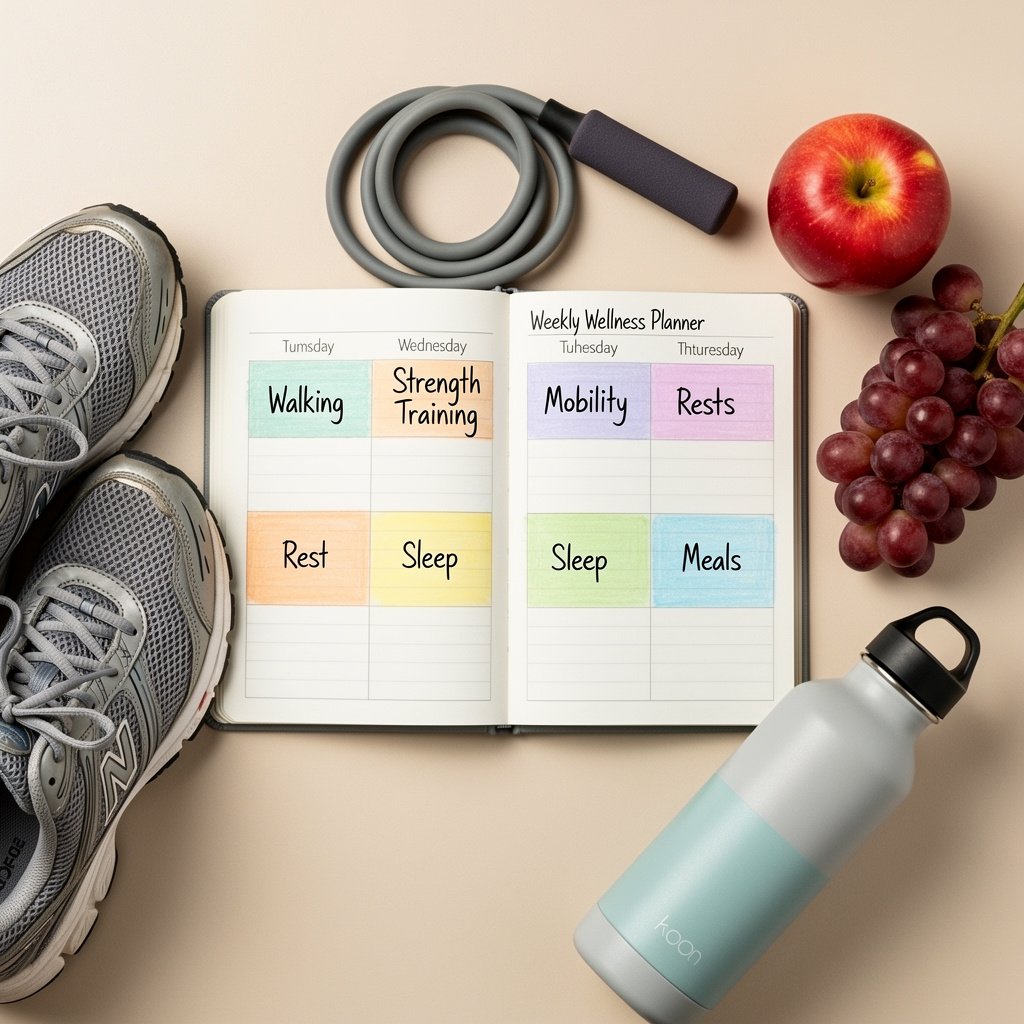
A sustainable fitness routine should leave room for ordinary life. That balance is more useful than pushing until exhaustion if your aim is to improve daily energy. Walking, mobility work, strength training, recreational activity, and rest can all belong in the same week. Improving daily energy is not about proving that you can tolerate exhaustion; it is about creating capacity that lasts.
Unmanaged Stress Keeps Your Nervous System on Call
Stress does not stay inside the mind. Learning to reduce avoidable pressure can support your effort to improve daily energy. It can influence sleep, appetite, muscle tension, concentration, and the way you recover from effort. When every task feels urgent, even rest may become another item to fail at. This is why “just relax” is usually not a useful plan.
Instead, create small transitions. Write down unfinished tasks before bed so your brain does not have to rehearse them. Take a short walk without consuming more information. Separate work messages from personal time when possible. Schedule recovery before you feel completely depleted. If stress is linked to grief, anxiety, depression, unsafe circumstances, or persistent emotional distress, support from a qualified professional can be important.
A useful stress audit asks what is adjustable, what requires a conversation, and what needs support. This broader view can help you improve daily energy without blaming yourself for every source of exhaustion. Not every source of stress can be solved with a better morning routine. Improving daily energy also means respecting the limits created by workload, caregiving, finances, health, and difficult life events.
A Simple Seven-Day Energy Experiment
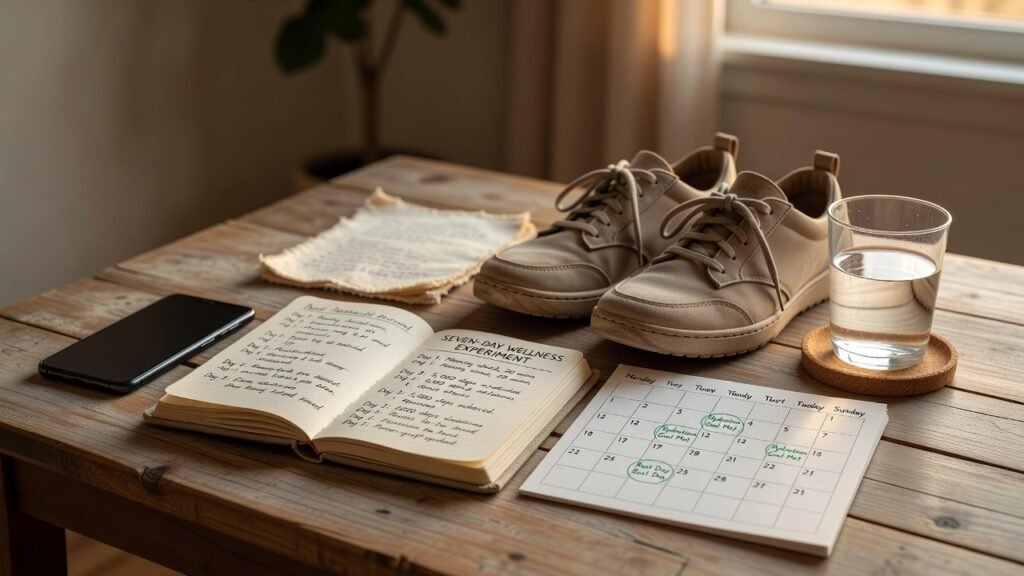
Choose one sleep change, one movement change, and one recovery change. These three areas give you a realistic starting point to improve daily energy without changing everything at once. For example, keep your wake time steadier, take a short walk after lunch, and stop work notifications thirty minutes before bed. Track your energy at the same three points each day using a simple scale and write one sentence about what affected it.
Do not change nine habits at once. A focused experiment is a better way to improve daily energy and learn which adjustment is actually helping. A smaller experiment makes it easier to learn what actually helps. If one change makes no difference, that is useful information rather than failure. Try a different variable or consider whether the problem is outside the scope of lifestyle adjustments.
At the end of the week, ask whether you are falling asleep more easily, waking more refreshed, moving more comfortably, eating more consistently, or feeling less mentally overloaded. These observations show whether your attempt to improve daily energy is working in ordinary life and are more meaningful than chasing a perfect score.
When Low Energy Needs Professional Attention
Everyday habits can affect energy, but persistent fatigue should not automatically be treated as a lifestyle failure. MedlinePlus advises contacting a healthcare provider when fatigue lasts for weeks or does not improve. The NHS guidance on tiredness and fatigue also recommends medical advice when tiredness affects daily life, has no clear explanation, or appears with symptoms such as weight loss, mood changes, or unusual breathing sounds during sleep.
Seek prompt medical attention for severe or rapidly worsening symptoms, confusion, fainting, chest pain, severe shortness of breath, new neurological symptoms, or thoughts of self-harm. Do not stop or change prescribed medication because you suspect it is contributing to tiredness; discuss concerns with the prescribing clinician. These warnings are not intended to frighten you. They are a reminder that energy is a health signal, not simply a measure of discipline.
Conclusion: Improve Daily Energy by Making the Next Change Smaller
You do not need a perfect routine to feel better supported. The most reliable way to improve daily energy is usually to make one manageable habit easier to repeat. Start by observing the habits that surround your lowest-energy moments. Then choose one small adjustment that is safe, measurable, and realistic for your current life.
A steadier sleep schedule, fewer late-night screens, regular movement, balanced meals, enough water, better caffeine timing, less alcohol-related disruption, sensible exercise recovery, and practical stress boundaries can all become useful areas to investigate. None of them is a guaranteed cure for fatigue, and none should replace professional care when symptoms persist.
The most useful energy audit is not the one that makes you feel guilty. It is the one that helps you understand your patterns and make a kinder next decision. If you want to improve daily energy, begin with the habit that is easiest to observe and change this week.
Read How to Stop Procrastinating and Get Things Done for practical support with routines and task overload.
Frequently Asked Questions
What is the fastest way to improve daily energy?
There is no single fastest method that works for everyone. To improve daily energy, start with the routine factor that is easiest for you to observe and change. Start by reviewing sleep timing, hydration, meal regularity, movement, caffeine timing, and stress. Choose one change you can repeat for a week instead of making a drastic overhaul. If low energy is persistent or unexplained, seek professional evaluation rather than relying only on lifestyle experiments. Professional guidance can be part of a safe plan to improve daily energy.
Why do I feel tired even after sleeping?
Sleep duration does not always equal restorative sleep. Irregular schedules, repeated waking, uncomfortable sleep conditions, alcohol, caffeine timing, medication, stress, and sleep disorders can all affect how refreshed you feel. Persistent daytime sleepiness, loud snoring, gasping, or repeated waking should be discussed with a healthcare professional.
Can walking help improve daily energy?
Regular walking can add movement to a sedentary day and may support general health and mood. For some people, it is a gentle first step to improve daily energy. Begin at a comfortable level and increase gradually. If walking causes unusual pain, dizziness, severe breathlessness, or other concerning symptoms, stop and seek appropriate guidance.
Should I stop drinking coffee if I feel tired?
Not necessarily. The more useful question is whether the amount and timing of caffeine are affecting your sleep or creating a cycle of afternoon crashes. Track your intake and sleep, then consider reducing gradually if needed. Persistent fatigue should not be treated with increasing caffeine.
How long should I try lifestyle changes before seeking help?
That depends on the severity and context. Seek medical advice sooner for severe, sudden, worsening, or concerning symptoms. If tiredness lasts for several weeks, affects daily life, or has no clear explanation, contact a qualified healthcare professional rather than continuing to self-experiment indefinitely.
Can stress cause low energy?
Yes, emotional stress and difficult life circumstances can affect sleep, concentration, appetite, motivation, and recovery. Stress is not always solved by a wellness routine, especially when it is severe or ongoing. Consider practical support, trusted people, and professional care when stress is interfering with daily functioning.