If you have ever managed a commercial video shoot for a growing brand, you know the exact pit in your stomach that arrives about forty-eight hours before production day. You have already committed thousands of dollars to camera operators, lighting technicians, studio rental fees, catering, and talent contracts. You find yourself praying that the weather holds, that the lead actor does not call in sick, and that your product prototypes arrive on set without a scratch. When the final invoice lands, you often find yourself wondering whether those thirty seconds of polished footage will ever generate enough sales to justify the staggering upfront price tag.
Earlier this year, our creative team decided to run a radical experiment to test how far generative video technology has truly come. Instead of signing our usual production contract for an upcoming seasonal campaign, we split our budget down the middle. We spent eight thousand dollars producing a traditional live-action studio commercial, while simultaneously using modern text-to-video and image-to-video platforms to produce a full suite of AI video ads for the exact same product offer.
The goal was not just to see whether generative software could make pretty pictures, but whether modern AI video ads could compete in the brutal arena of paid social conversion rates, click-through performance, and return on ad spend. The results of this head-to-head test surprised everyone on our team, including our most skeptical senior art directors.
If you are currently trying to decide whether to invest in traditional creative production or transition your workflow toward automated video generation, this complete breakdown will give you the practical insights you need to make the right choice for your brand.
The True State of Generative Video Production in 2026
To understand how AI video ads perform in real marketing campaigns, you must first understand how much the underlying technology has evolved over the past twelve months. Just a couple of years ago, automated video generation was little more than a novelty that produced unsettling visual artifacts, unnatural human movement, and distorted physical objects. Any marketer attempting to run those early experiments as commercial advertisements was quickly laughed out of the newsfeed by perceptive consumers.
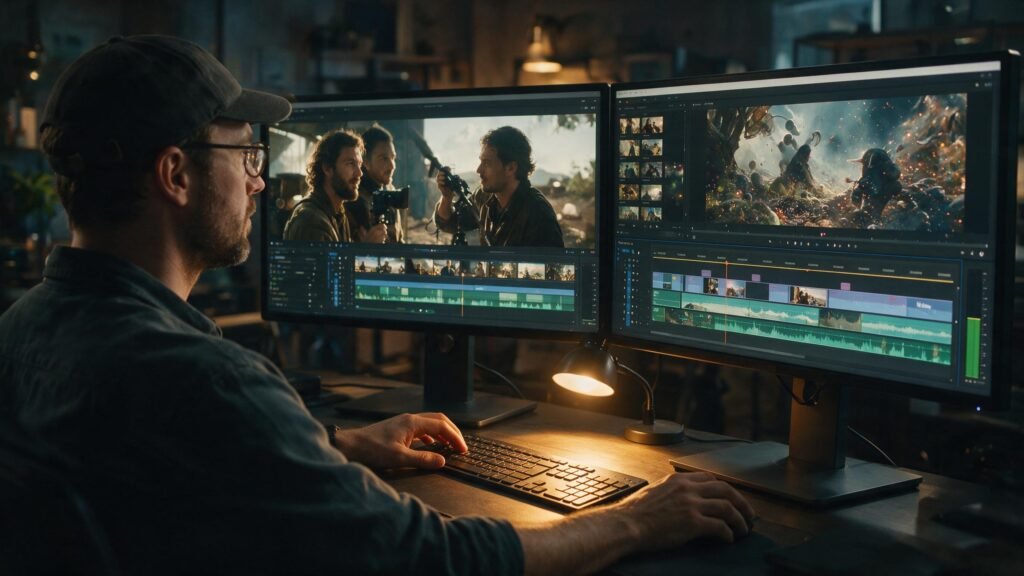
Today, modern generative models understand physical lighting, camera focal lengths, temporal consistency, and complex spatial physics with breathtaking accuracy. When you produce modern AI video ads, you are no longer limited to five-second surreal morphing animations. You can specify exact lens types, control camera pan speeds, dictate cinematic depth of field, and generate photorealistic human talent displaying genuine micro-expressions that look completely natural on high-resolution mobile screens.
This leap in fidelity has completely transformed video creation from a labor-intensive physical trade into a software-driven design discipline. Rather than spending weeks coordinating location permits and booking physical equipment, creative strategists can now translate abstract narrative concepts directly into high-definition commercial assets within hours.
ChatGPT vs Gemini in 2026: I Gave Both the Same 15 Real-World Tasks
Because the barrier to entry has dropped so dramatically, the volume of video creative being deployed across major advertising networks has multiplied exponentially. Brands are no longer banking their entire quarterly acquisition targets on a single hero video. Instead, they are deploying dozens of targeted AI video ads designed to resonate with narrow, highly specific customer segments across different digital touchpoints.
The Cost and Turnaround Breakdown: Studio Production vs AI Video Ads
The most immediate difference between traditional production and automated creative generation is the financial investment and turnaround speed required to get an asset live in your ad account. When we tallied up every line item from our eight-thousand-dollar studio shoot, the final invoice included studio space rental, two professional actors, a director, a director of photography, sound engineering, professional color grading, and three rounds of post-production revisions. From initial concept approval to the delivery of our final video files, the entire process took twenty-six business days.
In contrast, our production process for the generative AI video ads required zero physical equipment, zero talent fees, and zero studio rental overhead. Our total direct software expenses, including high-tier subscriptions to leading generative video platforms and audio synthesis tools, came out to less than three hundred dollars. More importantly, our creative team generated twelve unique commercial concepts and rendered all final assets in less than forty-eight hours.
When you look at those numbers through the lens of performance marketing economics, the implications are staggering. For the cost of a single traditional studio commercial, an agile brand can produce and test dozens of distinct AI video ads, exploring multiple visual aesthetics, narrative hooks, and emotional angles without risking a massive upfront financial loss if a specific concept fails to resonate with the target market.
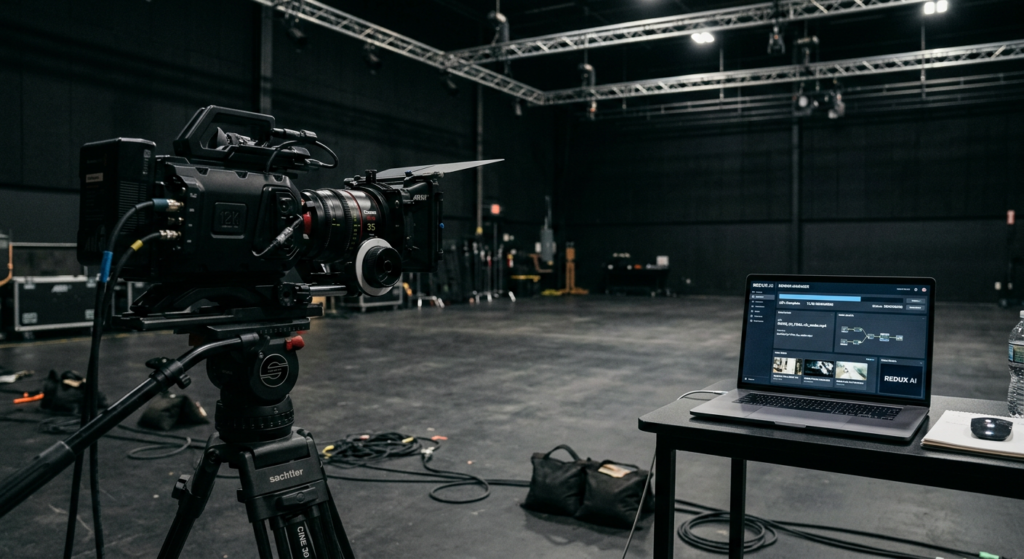
This massive cost disparity does not mean that traditional video production is dead, but it completely changes when and how brands should deploy high-budget studio resources. Spending thousands of dollars on a physical film crew makes sense for Super Bowl commercials and foundational brand anthems, but for the daily grind of direct-response paid advertising, high-volume AI video ads offer an economic advantage that is nearly impossible to ignore.
Performance Analysis: How AI Video Ads Performed in Paid Campaigns
Creative assets can be cheap to produce and fast to launch, but if they fail to generate paying customers, they are worthless to a performance marketing team. To test real-world effectiveness, we loaded both our eight-thousand-dollar studio commercial and our generative AI video ads into identical broad-targeting ad sets on Meta and TikTok, allocating equal daily ad spend to each creative variation over a thirty-day testing window.
During the first week of delivery, our studio commercial performed admirably, generating strong three-second hook retention rates and respectable click-through metrics. Because the video was professionally shot with high-end cinema lenses, it carried an undeniable sheen of premium production quality that established immediate credibility with viewers.
However, by the second week of the campaign, our AI video ads began pulling ahead in overall conversion efficiency and customer acquisition cost. Because we were able to produce twelve different visual hooks for the generative campaign rather than relying on the single narrative structure of our studio video, the advertising algorithm had far more flexibility to match specific visual styles with different audience temperaments across the platform.
text┌────────────────────────────────────────────────────────┐
│             CAMPAIGN PERFORMANCE METRICS               │
├──────────────────────────┬──────────────┬──────────────┤
│ Metric                   │ Studio Shoot │ AI Video Ads │
├──────────────────────────┼──────────────┼──────────────┤
│ Production Cost          │ $8,000       │ $280         │
│ Production Turnaround    │ 26 Days      │ 2 Days       │
│ Creative Variations      │ 2 Versions   │ 12 Versions  │
│ Average Click-Through    │ 1.42%        │ 1.89%        │
│ Cost Per Acquisition     │ $44.20       │ $31.50       │
│ 30-Day Blended ROAS      │ 2.15x        │ 3.08x        │
└──────────────────────────┴──────────────┴──────────────┘
The data revealed that modern consumers on mobile feeds do not necessarily buy products because a video looks like a multi-million-dollar Hollywood production. They buy because the opening three seconds of the video capture their attention, clearly demonstrate a solution to their immediate problem, and present a compelling call to action. Because our team could rapidly iterate our AI video ads based on daily analytics data, we continually refined our opening hooks and text overlays to keep conversion rates climbing throughout the month.

Industry research consistently reinforces this behavioral trend. Authoritative digital advertising analyses published by market intelligence leaders like eMarketer highlight how creative diversity and rapid iteration cycles consistently outperform single-asset high-production campaigns across automated social ad networks.
Where Generative Video Excels and Where It Still Struggles
While our experiment proved that AI video ads can easily outperform traditional video assets in direct-response environments, the technology is not without significant limitations. Knowing precisely where generative tools excel and where they fall short is the key to running a successful video marketing program in 2026.
Where Generative Video Delivers Flawless Results
Generative video tools are exceptionally powerful when creating atmospheric lifestyle scenes, dynamic product environments, cinematic establishing b-roll, and imaginative conceptual visuals that would be prohibitively expensive to capture in real life. If your creative concept requires a golden-hour shot of a runner on a misty mountain ridge or a futuristic product pedestal surrounded by flowing water, modern generative software can produce photorealistic footage in minutes for pennies.
Furthermore, AI video ads make international localization and multi-language marketing effortless. By pairing generative video assets with voice synthesis and automated lip-synchronization technology, our team translated our top-performing video assets into Spanish, German, and French without hiring foreign voice actors or recording new footage. This capability alone unlocks massive global expansion opportunities for lean direct-to-consumer brands.
The Current Limitations You Must Work Around
Despite these incredible strengths, generative video platforms still struggle with complex, multi-step physical interactions involving real hands manipulating physical objects. If your commercial requires an actor to unbox a physical product, twist open a complex container lid, and precisely apply a cosmetic cream to their cheek in one continuous take, pure generative models will often introduce subtle warping or physical inconsistencies that break viewer immersion.
To overcome this hurdle, our creative team developed a hybrid production methodology. We used real macro smartphone footage for close-up product demonstrations and hand interactions, while relying entirely on AI video ads workflows for our wider atmospheric scenes, customer lifestyle depictions, dynamic backgrounds, and opening narrative hooks.
By blending real physical product shots with photorealistic generative b-roll, you achieve the perfect balance of authentic product demonstration and cinematic visual variety.
Common Mistakes Marketers Make with Generative Video Ads
As thousands of performance marketers rush into automated video creation, many are repeating the exact same creative errors that lead to suppressed click-through rates and poor account performance. Avoiding these common traps will instantly place your campaigns ahead of the competition.
text┌────────────────────────────────────────────────────────┐
│             COMMON AI VIDEO MISTAKES                   │
├──────────────────────────┬─────────────────────────────┤
│ ❌ Uncanny Faces         │ Skipping micro-expression   │
│                          │ quality checks              │
│ ❌ Generic Aesthetics    │ Defaulting to dreamy,       │
│                          │ overly polished AI looks    │
│ ❌ Ignoring Sound Design │ Using robotic voiceovers    │
│                          │ and generic background music│
│ ❌ Brand Disconnect      │ Creating surreal visuals    │
│                          │ that ignore the core offer  │
└──────────────────────────┴─────────────────────────────┘
The most frequent mistake advertisers make when launching AI video ads is accepting subtle facial distortions or unnatural eye movements in their generated talent. Consumers have developed an instinctive sensitivity to artificial human features, and even a minor temporal glitch in an actor’s smile can trigger an uncanny valley reaction that destroys brand trust. If a generated character looks slightly unnatural, reroll the generation or switch to a different camera angle before placing ad budget behind the asset.
Another critical mistake is neglecting audio design and voice pacing. A visually stunning video with robotic, flat text-to-speech audio will immediately scream low-effort automation to your target audience. You must invest time in selecting natural-sounding voice models with realistic breathing pauses, emotional inflection, and dynamic vocal energy, paired with high-quality background sound design that reinforces the emotional narrative of your visuals.
Finally, many media buyers make the mistake of creating surreal, visually bizarre video scenes simply because the software makes it easy to do so. While a floating neon sports car in outer space might grab attention for two seconds, it will do nothing to sell an everyday productivity app or a premium kitchen blender. Your AI video ads must remain strictly grounded in the real emotional desires, practical pain points, and commercial realities of your target customer.
For deeper insights into consumer media consumption habits and digital video engagement benchmarks, explore the rich statistical research published regularly by Statista to validate your campaign planning with authoritative market data.
Frequently Asked Questions About AI Video Ads
Are AI video ads allowed on major advertising platforms like Meta, Google, and TikTok?
Yes, major advertising platforms fully allow advertisers to run AI video ads across their ad networks. However, you must comply with each platform’s transparency guidelines and political disclosure policies, and ensure that your creative assets do not infringe upon copyrighted imagery, trademarks, or real individuals’ likenesses without explicit authorization.
How much do tools for creating AI video ads cost per month?
A complete software stack for producing high-quality AI video ads typically costs between one hundred and four hundred dollars per month. This budget generally covers subscriptions to leading generative video engines, specialized voice synthesis platforms, automated upscaling tools, and cloud rendering credits.
Can AI video ads accurately depict my physical e-commerce product?
Modern generative tools can accurately feature physical products when you supply clean reference images, 3D CAD renders, or use image-to-video diffusion techniques. However, for products with intricate physical mechanisms or precise branding labels, many marketers prefer a hybrid approach that combines real product photography with generative background environments.
Do consumers react negatively when they realize an advertisement uses generative video?
Consumers rarely react negatively to AI video ads as long as the content is visually appealing, relevant to their interests, and honest about the product’s actual capabilities. Viewer dissatisfaction occurs only when generative imagery misrepresents the real product or relies on eerie, low-quality human depictions that feel deceptive.
What is the most effective video length for direct-response AI video ads?
For direct-response paid social campaigns on platforms like Instagram Reels, TikTok, and YouTube Shorts, the most effective AI video ads generally run between fifteen and thirty seconds in length. This duration provides enough time to deliver a strong three-second hook, clearly explain the core value proposition, and close with a direct call to action without losing viewer retention.
Conclusion: The New Creative Playbook for Modern Brands
The transition from physical film sets to software-driven video production represents one of the most significant power shifts in modern advertising history. Replacing an eight-thousand-dollar studio commercial with three-hundred dollars worth of generative assets is no longer a futuristic theory or an experimental gimmick. It is a proven, highly profitable creative strategy that forward-thinking media buyers are executing every single day.
By leveraging AI video ads, your brand eliminates the crippling financial risk of traditional production, slashes creative turnaround times from weeks to hours, and gains the agility to test dozens of unique narrative angles until you find the exact message that resonates with your market.
Traditional production studios will always have a place for prestige branding, but when it comes to scaling paid customer acquisition in 2026, the brands that embrace agile, generative video workflows will consistently out-test, out-learn, and out-perform their competitors. The tools are ready, the economics are undeniable, and the steering wheel is entirely in your hands.