
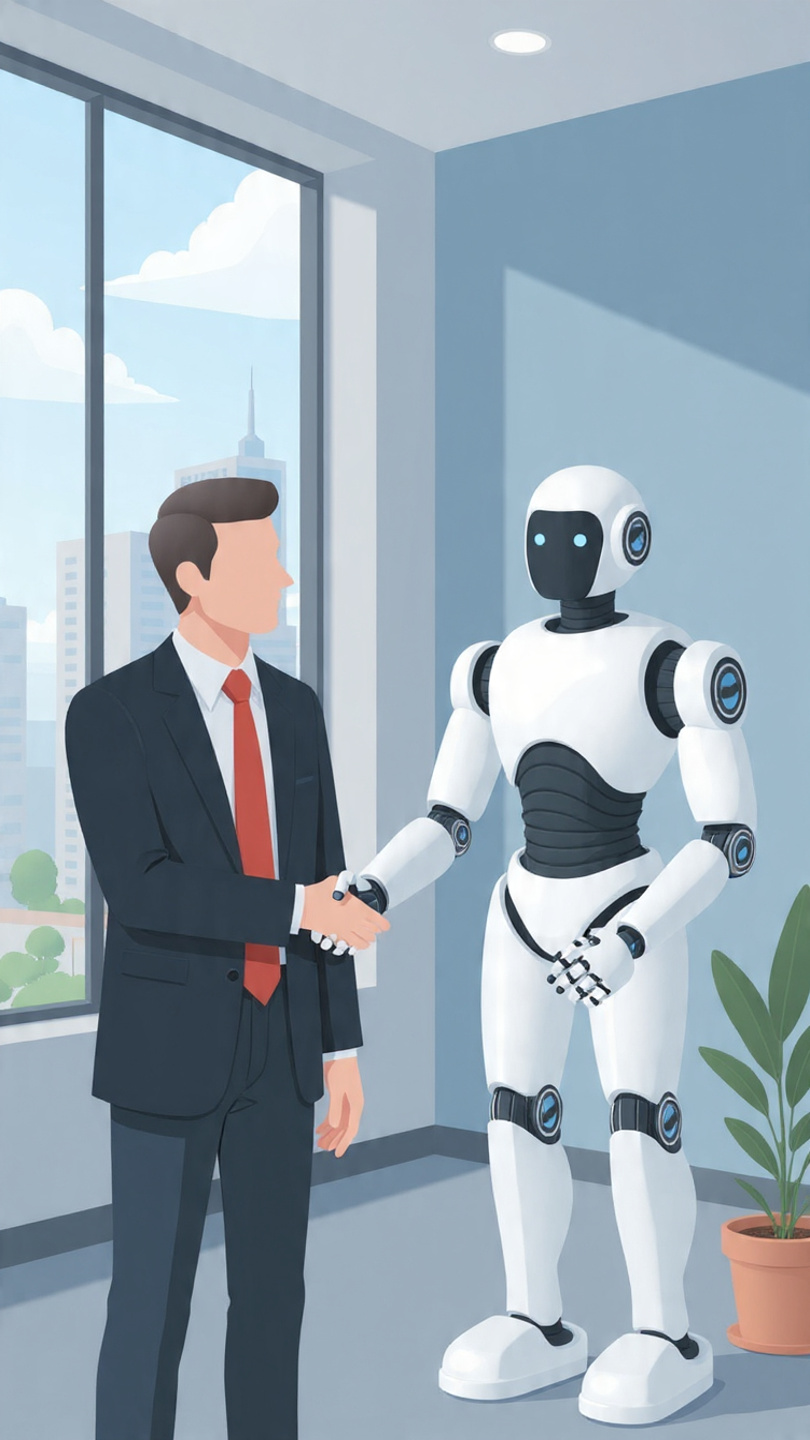
Artificial intelligence and automation are changing the job market faster than ever. Many people worry that robots and software will take over their jobs—and that’s not an empty fear. Some routine, repetitive tasks will be automated.
But that doesn’t mean the future is hopeless. It just means the types of jobs that are safe and successful are changing.
The key is to focus on future‑proof careers—roles that are likely to grow or stay in demand, even as technology improves.

In this guide, you’ll learn what “future‑proof” really means and discover nine careers that are likely to stay strong in the age of AI and automation, especially for students and young professionals.
1. What Does “Future‑Proof” Really Mean?
“Future‑proof” doesn’t mean a job will never change. It means:
- The core value of the work is hard to automate completely
- The role works with technology, not against it
- The job needs human skills like creativity, empathy, judgment, or complex problem‑solving
- Demand is expected to grow, not shrink, over the next 10–20 years
Most future‑proof careers are a mix of:
Human strengths (creativity, empathy, critical thinking)
+ Technical skills (data, digital tools, AI basics)
+ Adaptability (learning new tools and methods over time)
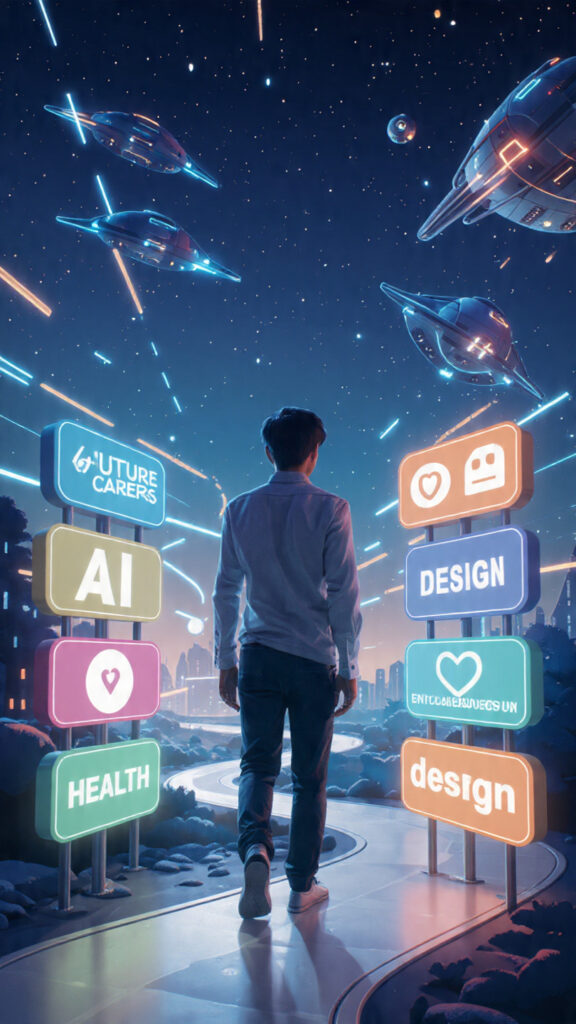
2. AI & Machine Learning Specialists
These are the people who build and improve AI systems.
They work on:
- Training machine learning models
- Designing algorithms to solve specific problems
- Improving how AI tools understand data, images, text, and speech
Why it’s future‑proof:
As AI grows, we will need more experts to design, train, monitor, and improve these systems.
You’ll like this if you:
- Enjoy math, logic, and programming
- Like solving complex technical problems
- Are curious about how AI works behind the scenes
Useful education & skills:
- Degrees in computer science, data science, AI, or related fields
- Programming (Python, R), statistics, linear algebra
- Machine learning frameworks (TensorFlow, PyTorch, etc.)
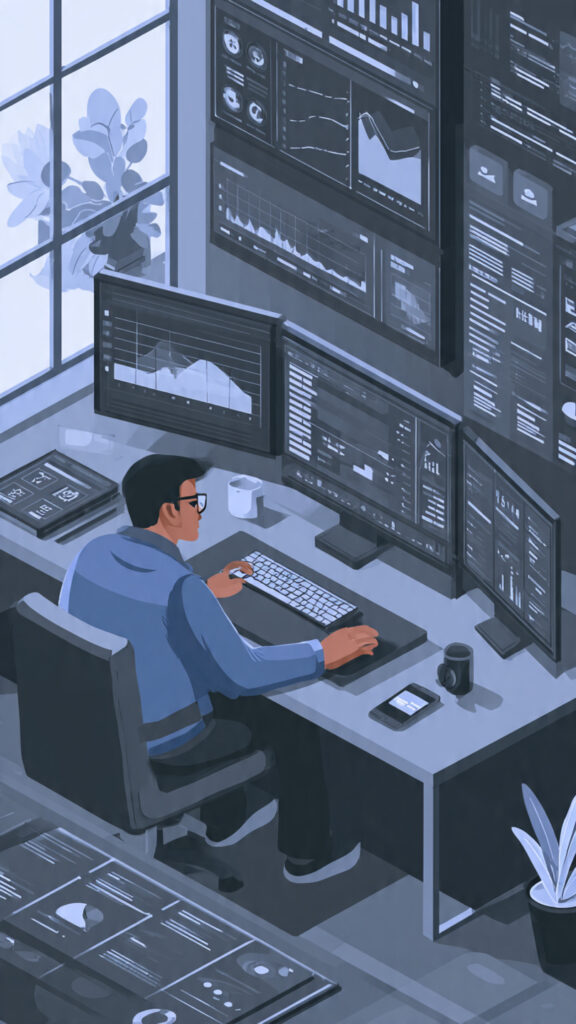
3. Data Analysts & Data Scientists
Companies generate huge amounts of data. Data analysts and data scientists help turn that raw data into useful decisions.
They:
- Collect and clean data
- Analyze trends and patterns
- Build models to predict outcomes
- Help leaders make data‑driven decisions
Why it’s future‑proof:
AI can help with analysis, but humans are still needed to ask the right questions, interpret results, and connect insights to real business or social problems.
You’ll like this if you:
- Enjoy numbers and problem‑solving
- Like finding patterns and insights in information
- Are comfortable with tools and technology
Useful education & skills:
- Statistics, math, or data‑related degrees (but not always required)
- Excel, SQL, Python or R
- Data visualization tools (Tableau, Power BI, etc.)
4. Cybersecurity Professionals
As more of our lives move online, digital security becomes critical.
Cybersecurity professionals:
- Protect systems and data from hacking and attacks
- Monitor networks for suspicious activity
- Test systems for weaknesses
- Design security policies and best practices
Why it’s future‑proof:
More devices + more data + more online services = more security risks. AI will help detect threats, but attackers will also use AI—so skilled humans will always be needed.
You’ll like this if you:
- Are curious and like solving puzzles
- Enjoy understanding how systems work
- Are interested in ethics and protecting people or organizations
Useful education & skills:
- IT, computer science, or dedicated cybersecurity programs
- Networking basics, operating systems, security tools
- Certifications (CompTIA Security+, CEH, etc.)
5. Healthcare Professionals (Humans + Tech)
Healthcare is becoming more digital (telemedicine, AI diagnostics, health apps), but it still relies heavily on human care and judgment.
Future‑proof roles include:
- Doctors and nurses
- Physiotherapists and occupational therapists
- Medical technicians and radiologists
- Public health professionals
Why it’s future‑proof:
- Aging populations need more care
- AI will support decisions, but empathy, touch, and human trust are irreplaceable
- Healthcare constantly evolves, creating new specializations
You’ll like this if you:
- Want to help people directly
- Are comfortable with science and biology
- Can stay calm and focused under pressure
6. Teachers, Trainers & Learning Experience Designers
Education is changing: more online learning, digital content, and personalized education. But humans are still key.
Future‑proof education roles include:
- School and college teachers who use technology well
- Corporate trainers and learning & development specialists
- Instructional designers / learning experience designers (LXD)
Why it’s future‑proof:
- People need constant upskilling throughout their careers
- AI can deliver content, but mentoring, motivation, and human explanation are still crucial
- New tools require new training materials and methods
You’ll like this if you:
- Enjoy explaining things clearly
- Like helping others grow
- Are patient and good at communication

7. UX/UI Designers & Product Designers
AI can generate layouts, but understanding human needs is still a very human job.
UX/UI and product designers:
- Research users and their problems
- Design app and website interfaces
- Test and improve user experiences
- Work with developers and product managers
Why it’s future‑proof:
- As technology grows, user experience becomes a key differentiator
- Human empathy and creativity are hard to fully automate
- AI tools will help designers, not replace them
You’ll like this if you:
- Enjoy combining creativity and logic
- Care about how people feel using products
- Like visual design and problem‑solving
8. Mental Health & Counseling Professionals
Modern life brings a lot of stress, uncertainty, and pressure. Mental health is becoming more recognized and prioritized.
Future‑proof roles include:
- Psychologists and counselors
- Therapists and social workers
- Career counselors and life coaches (qualified and ethical)
Why it’s future‑proof:
- Emotional support and deep listening are very hard to automate
- AI chatbots can assist but cannot replace real human connection
- Demand for mental health support is increasing globally
You’ll like this if you:
- Are empathetic and a good listener
- Are interested in human behavior and emotions
- Want to help people navigate challenges in life
9. Skilled Trades & Technical Maintenance Roles
Not all future‑proof jobs are “desk jobs.” Many technical and skilled trades are hard to automate fully.
Examples:
- Electricians and plumbers
- HVAC technicians
- Robotics and automation technicians
- Maintenance engineers
Why it’s future‑proof:
- These jobs require physical presence, problem‑solving, and adaptation
- Automation systems themselves need installation, repair, and upgrading
- Many countries already have shortages in skilled trades
You’ll like this if you:
- Prefer hands‑on work to sitting at a computer all day
- Enjoy fixing, building, or troubleshooting equipment
- Like seeing immediate, practical results of your work
How to Prepare for Future‑Proof Careers (As a Student or Young Professional)
No matter which career you choose, you can make it more future‑proof by focusing on three areas:

1. Build Strong Human Skills
These are very hard for AI to replace:
- Communication (writing and speaking)
- Critical thinking and problem‑solving
- Teamwork and collaboration
- Emotional intelligence and empathy
- Creativity and idea generation
2. Learn Digital and Data Basics
Even if you’re not in a tech job, it helps to understand:
- How data is collected and used
- Basic spreadsheet and data analysis (Excel, Google Sheets)
- Simple automation tools and AI tools relevant to your field
3. Practice Lifelong Learning
The most future‑proof skill of all is the ability to keep learning.
You can:
- Take short online courses regularly
- Do small side projects to try new tools
- Read about trends in your industry
- Be willing to change tools and methods as technology evolves
Final Thoughts
AI and automation will definitely change the job market—but they will also create new opportunities for people who are ready.
Focus on careers that:
- Work with technology
- Use your human strengths
- Keep you learning and growing
You don’t need to predict the entire future. You just need to move toward roles that are adaptable, human‑centered, and tech‑aware—and that’s what makes them truly future‑proof.