For most of history, election campaigns depended on posters, rallies, newspapers, radio, and TV. Politicians spoke, the public listened, and communication mostly went in one direction.
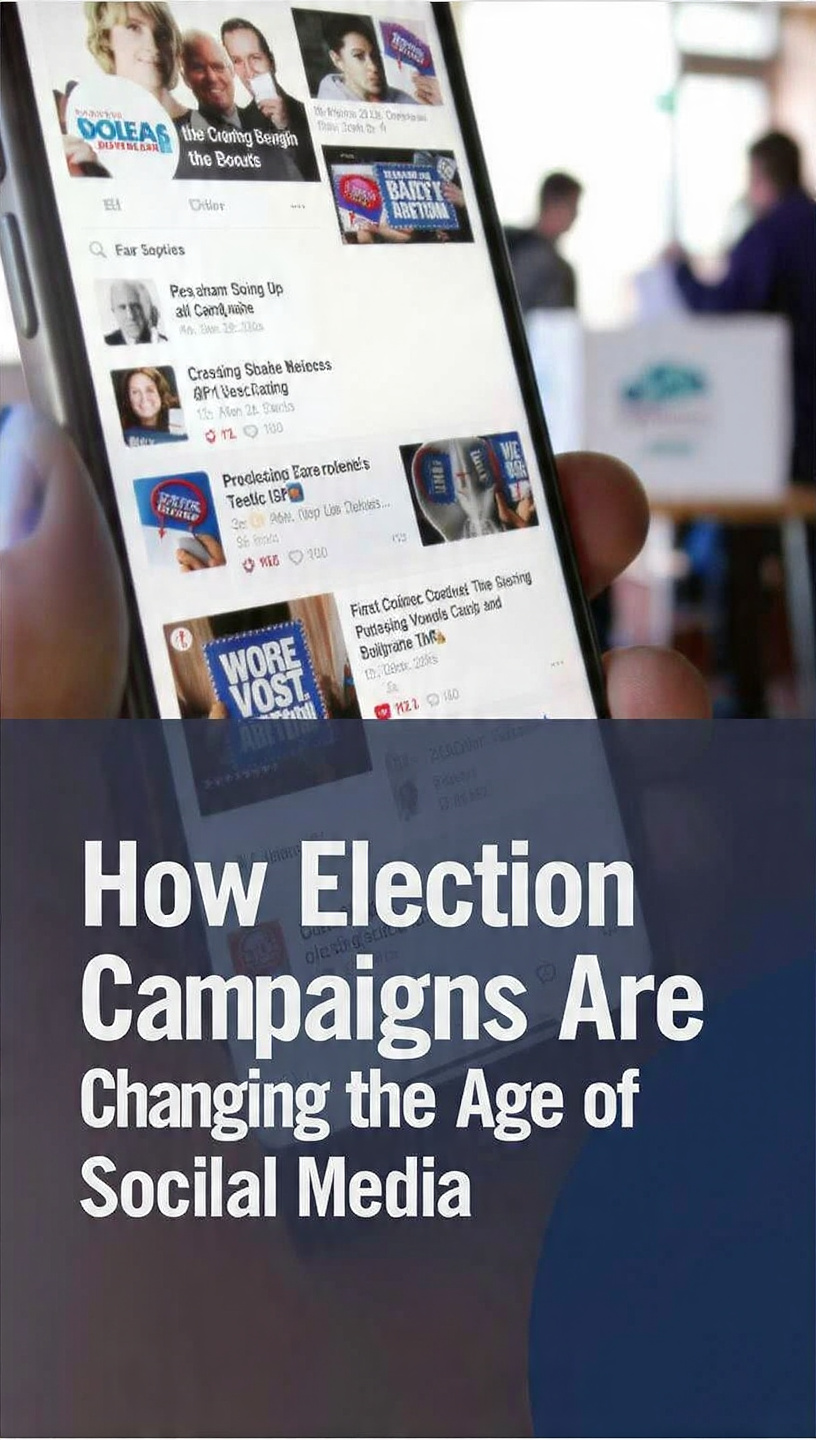
Today, a huge part of politics happens on screens. Candidates post on social media, supporters reply instantly, and political messages spread through memes, influencers, and viral videos.
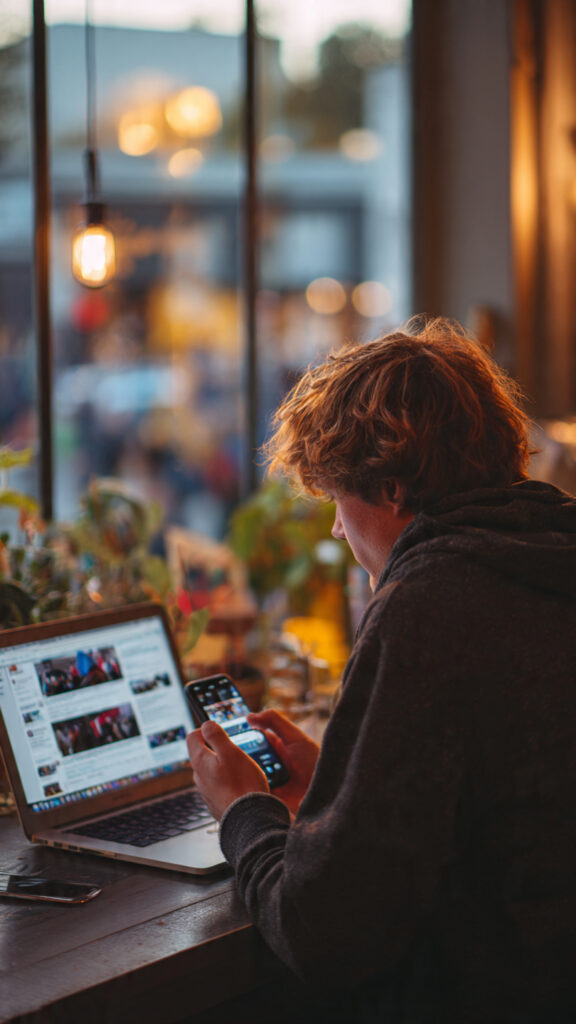
Social media has not replaced older campaign methods completely, but it has changed the way campaigns work in at least five big ways.
1. From mass media to personalized feeds
In the past, campaigns mainly used mass media:
- TV and radio ads
- Newspaper articles and opinion pieces
- Big public rallies
Everyone saw more or less the same message.
Now, many people get their political information from:
- Instagram, Facebook, X (Twitter), TikTok, YouTube
- Messaging apps like WhatsApp or Telegram
- Online news shared through social feeds
Each person’s feed is different, based on:
- Who they follow
- What they like, share, or comment on
- What the algorithm thinks they want to see
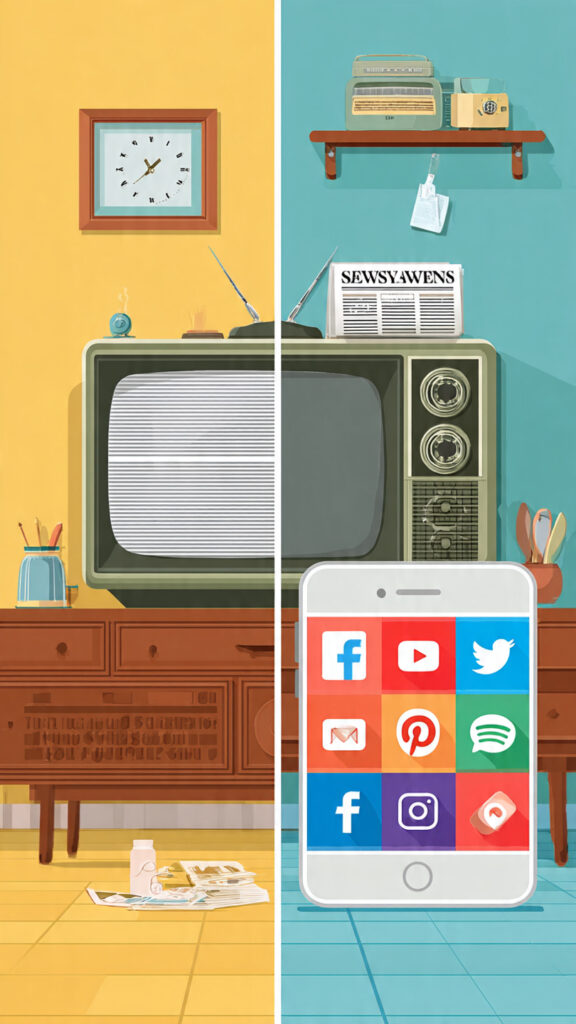
This means election messages are no longer sent to “the public” as one big group, but to many smaller audiences, each with their own interests and beliefs.
2. Direct communication between politicians and voters
Social media allows politicians, parties, and campaign teams to talk directly to voters.
Instead of waiting for TV channels or newspapers to cover them, candidates can:
- Post their own videos, photos, and statements
- Go live to answer questions in real time
- Share behind‑the‑scenes content to look more relatable
This can:
- Make leaders appear more accessible and “closer” to ordinary people
- Reduce the power of traditional media as the only filter of information
But it also:
- Gives politicians more control over their image
- Makes it easier to skip tough questions, because they can choose what to show and what to ignore
For voters, the challenge is to remember that carefully managed social media posts are not the full reality, but a selected version of it.
3. Data, targeting, and personalized political messages
One of the biggest changes is the use of data to shape which political messages people see.
Social media platforms collect huge amounts of information, such as:
- Age, location, and language
- Interests (based on pages followed, videos watched, posts liked)
- Online behavior and patterns
Campaigns can use this data (often through advertising tools) to:
- Show different messages to different groups
- Emphasize specific topics to specific audiences
- For example, jobs and the economy to one group, environment or education to another
This kind of targeted communication can:
- Help voters hear more about topics they already care about
- Make campaigns more efficient
But it also raises important questions:
- Are people only seeing messages that confirm their existing views?
- Can very narrow targeting make society more divided, because different groups live in different information worlds?
- How transparent is this process to ordinary citizens?
Understanding that some political posts are specially targeted can help people look at them more critically.
4. Influencers, memes, and user‑generated content
Election campaigns are no longer only about what official parties say. Now, a lot of political communication happens through:
- Influencers and content creators
- Memes and short videos
- Posts from ordinary users
Influencers with large followings can:
- Share their political opinions
- Comment on campaigns and debates
- Shape how their audience feels about certain issues or candidates
Memes and short videos (like reels or TikToks) can:
- Spread a message very fast
- Make politics feel more entertaining or emotional
- Simplify complex issues into a single image or joke
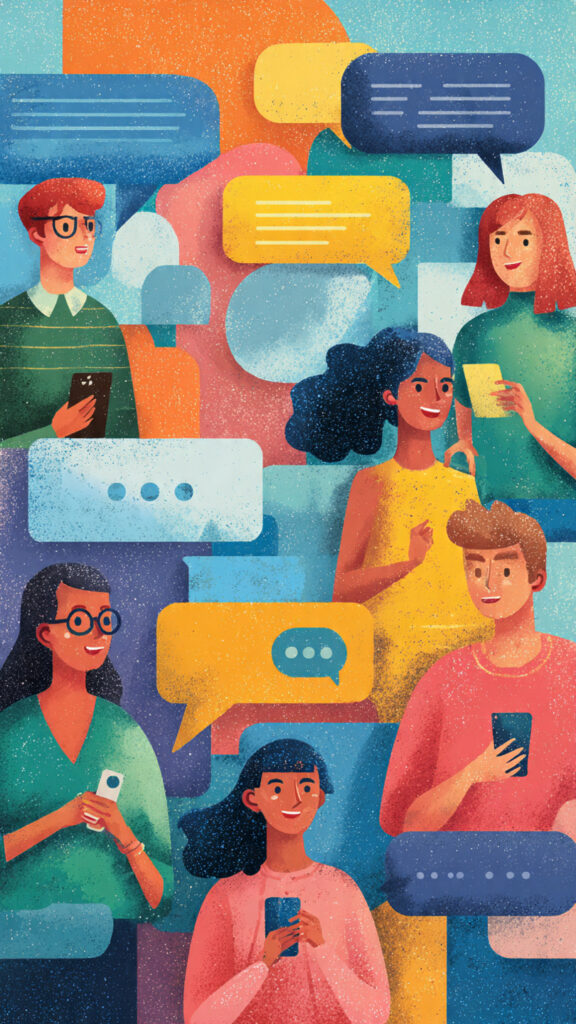
Sometimes this can help:
- More people, especially younger voters, pay attention to politics
- Complex issues be explained in a simple and engaging way
But it also has risks:
- Serious topics can be turned into jokes, losing important details
- False or misleading claims can spread very quickly through funny or emotional content
- People may trust influencers more than experts, even when influencers are not well‑informed
5. Speed, virality, and the 24/7 campaign
With social media, election campaigns never really “switch off.” News, reactions, and opinions spread in minutes, not days.
This speed changes several things:
- A single video clip from a speech can go viral and shape public debate.
- Mistakes, scandals, or controversial statements can spread instantly.
- Hashtags can quickly organize support or criticism.
Campaigns feel they must respond immediately:
- To defend themselves
- To use a trend before it disappears
- To keep constant attention
The result is often a campaign environment that is:
- Faster
- More emotional
- Less focused on long, detailed discussion
Voters have to deal with a constant flood of information, which can be exhausting and make it harder to think calmly about issues.
6. Misinformation, deepfakes, and fact‑checking
One of the most serious challenges of social media in elections is the spread of misinformation and disinformation.
- Misinformation: false information spread by mistake.
- Disinformation: false information spread on purpose to mislead.
During election periods, this can include:
- Fake quotes or edited videos of politicians
- Old photos reused in a new context
- Completely invented stories
- Deepfake audio or video that looks very real
Such content can:
- Harm reputations
- Increase fear or anger
- Confuse voters about basic facts
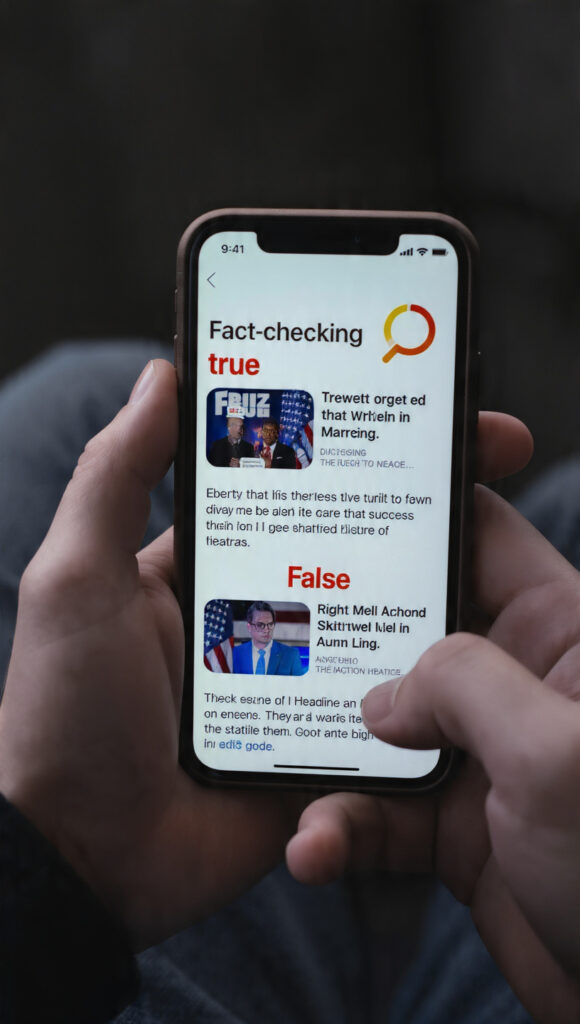
In response, many journalists, researchers, and citizens now focus on fact‑checking:
- Verifying images and videos
- Checking sources and dates
- Correcting false claims
However, false information often spreads faster and wider than corrections. This makes media literacy — the ability to question and verify what we see online — more important than ever.
7. Participation, activism, and the digital divide
Social media has also opened new doors for political participation:
- People can easily share petitions, events, and campaign materials.
- Grassroots movements can organize large protests or campaigns with little money.
- Young people can discuss issues and express their opinions online, even if they are not part of a formal party.
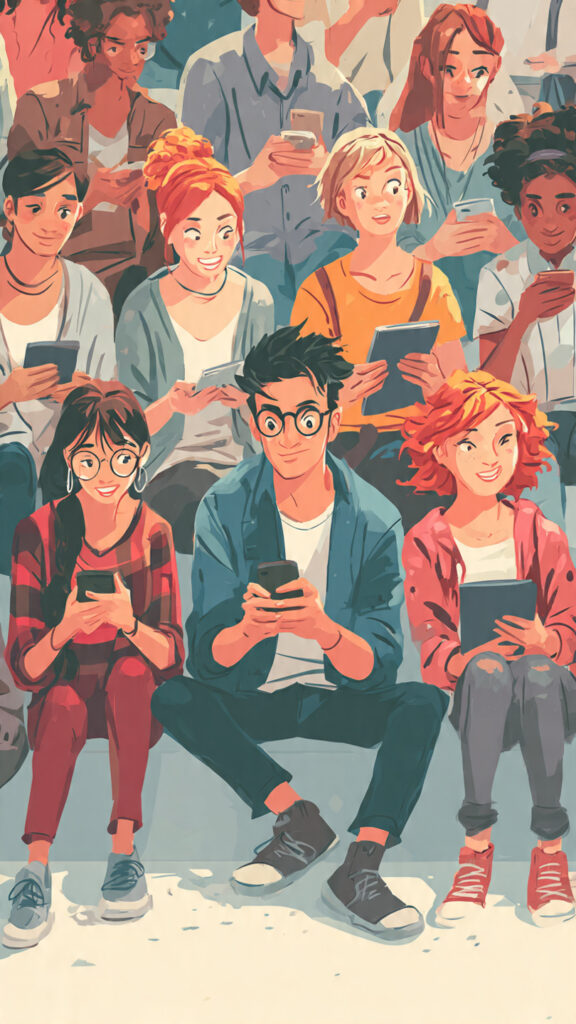
This can:
- Make politics feel more open and accessible
- Give space to voices that were previously ignored
At the same time, there is a digital divide:
- Not everyone has equal access to the internet or digital skills.
- Older people or people in rural/low‑income areas may rely more on traditional media.
- Online participation does not always translate into real‑world political change (sometimes called “clicktivism”).
So while social media can increase participation for many, it can also leave some people behind.
8. What this means for democracy
Overall, social media has made election campaigns:
- More direct
- More targeted
- Faster and more interactive
- More influenced by ordinary users, influencers, and algorithms
These changes bring opportunities:
- Easier access to information
- More ways to participate
- Space for new political ideas and movements
They also bring risks:
- Echo chambers and polarization (people only seeing what they already agree with)
- Spread of misinformation and manipulated content
- Less space for calm, in‑depth discussion
For citizens, the key is not to reject social media, but to use it wisely:
- Check sources before believing or sharing political content.
- Follow more than one type of account or news source.
- Be aware that some messages may be targeted or carefully designed to influence emotions.
Election campaigns will continue to adapt as technology changes. The more we understand how these systems work, the better prepared we are to make informed choices when we vote.