
Most of the rules that shape your daily life come from laws, but very few people actually understand how laws are made. You hear phrases like “a bill was passed” or “parliament approved a law,” yet the process behind those headlines can feel like a black box. When you do not know how laws are made, politics can seem distant, confusing, and even hopeless.
This guide is here to change that. In clear, everyday language, you will walk through how laws are made in many modern democracies, from the first idea to the final signature. You will see where those ideas come from, who debates them, how they are changed, and what role you, as an ordinary citizen, can play. Even though details differ by country, the big picture is surprisingly similar.
By the end, you will not be an expert lawyer or political scientist, but you will understand how laws are made well enough to follow political news with less confusion and more confidence.
What Does “How Laws Are Made” Really Mean?
When people talk about how laws are made, they are usually describing the law‑making process inside a country’s parliament or congress. A law is more than just a rule; it is a formal decision written down, voted on, and enforced by the state. It can decide everything from taxes and traffic rules to education rights and environmental protections.

In most democracies, how laws are made follows a pattern. An idea becomes a draft called a bill. That bill is then discussed, changed, and voted on by elected representatives. If enough of them agree, the bill becomes law and starts to affect real lives. Along the way, committees, experts, and sometimes citizens themselves can comment and influence the text.
It is important to remember that every country has its own exact rules about how laws are made. For example, some have two chambers (like a lower house and an upper house), while others have just one. Some require the head of state, such as a president or monarch, to sign every law, while others do not. The core idea of how laws are made is the same, but the path can be longer or shorter depending on the system.
Once you understand the basic structure of how laws are made, you can more easily learn the special details of your own country’s process.
Why Understanding How Laws Are Made Matters for Everyone
You might feel that politics is messy and that knowing exactly how laws are made will not change much. But understanding this process affects your everyday life far more than you may realise.
Every time you pay tax, send a child to school, buy medicine, sign a work contract, or even walk on a protected public path, you are experiencing the results of how laws are made. These laws can protect you, frustrate you, or sometimes both. If you do not know how laws are made, you may not see the link between voting, public debate, and the rules that shape your opportunities.
Understanding how laws are made also protects you from manipulation. When someone tells you “the government just did this overnight,” you will know to ask which step of the process they are talking about. You can spot when a claim ignores how laws are made in reality, and you become harder to fool with simple slogans.
It also opens doors to participation. If you know how laws are made, you can choose when and how to get involved, whether that means contacting a representative, joining a public consultation, or simply paying more attention during elections. You stop seeing politics as something that happens “up there” and start seeing it as a system you are part of.
Finally, understanding how laws are made can reduce fear. Big legal changes often sound scary, but when you know the stages involved, you understand that there are usually many chances for debate, revision, and challenge. Even if you dislike a proposal, knowing how laws are made helps you see where pressure and discussion can still have an effect.
From Idea to Bill: The First Step in How Laws Are Made
The story of how laws are made almost always starts with a problem or a goal. Maybe a new technology appears and current laws do not cover it. Maybe people are getting hurt because safety rules are old. Maybe society decides to expand rights to a group that was previously excluded. All of these are starting points for how laws are made.
Ideas for new laws can come from many places. Governments and ministers often propose laws to carry out promises or respond to crises. Individual members of parliament or congress can suggest changes based on what they see in their districts. Interest groups, activists, experts, and regular citizens can also push for laws by raising awareness and lobbying representatives. Even court decisions can trigger new laws when judges point out gaps or conflicts in existing rules.
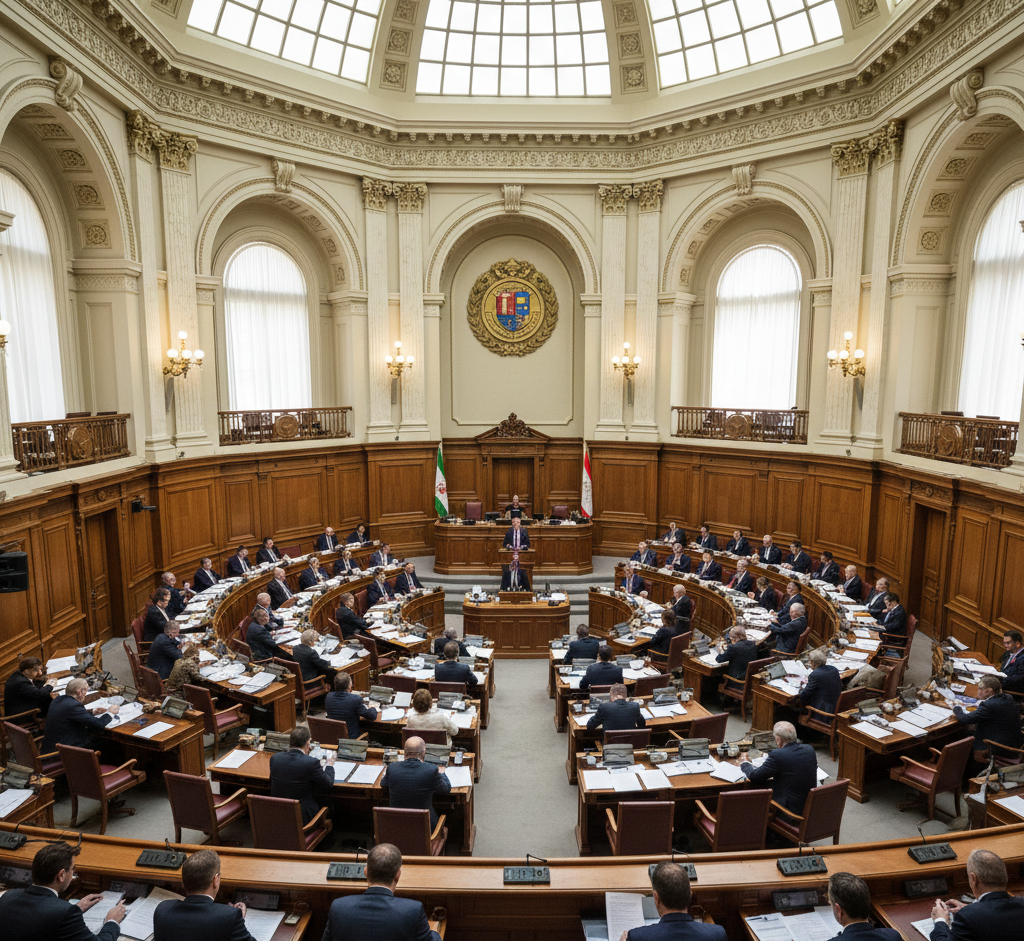
Once there is agreement that something should be done, the idea moves into a more formal stage. Legal experts, civil servants, and sometimes outside specialists work together to draft a bill. This is a detailed document that explains exactly how the law will change things: definitions, rights, responsibilities, penalties, and procedures.
At this stage of how laws are made, the language becomes very precise. Small words matter. A single “shall” or “may” can change the power of a law. That is why bills often look long and complicated to ordinary readers. They must fit into a web of existing laws and avoid contradictions.
In some countries, before a bill even reaches parliament, there may be a public consultation. This is when the government publishes a draft and asks citizens, organisations, and experts to comment. This early stage of how laws are made is one of the first chances for public input, although not everyone knows it exists.
Once a bill is ready, it is officially introduced in the legislature. From this moment, you can clearly see how laws are made moving from an idea to a public, trackable process.
Debate, Committees, and Changes: The Hard Work Behind How Laws Are Made
After a bill is introduced, the next part of how laws are made involves a lot of reading, discussion, and amendment. In many systems, the bill is first given a general vote to decide whether it is worth discussing at all. If it passes, it moves into deeper stages.
One of the most important parts of how laws are made is committee work. Committees are smaller groups of representatives who focus on specific topics such as health, education, or finance. A bill about environmental protection, for example, might go to an environment committee. There, members read the text closely, invite experts and stakeholders to testify, and suggest changes.
Hearings can be quite detailed. Scientists, business owners, unions, non‑profits, and ordinary citizens may be invited to share their views. These voices are part of how laws are made because they help lawmakers see technical details and real‑world effects that may not be obvious from the written bill alone. Official parliament education pages, such as the Inter‑Parliamentary Union’s explanation of law‑making at https://www.ipu.org/our-impact/strong-parliaments/how-parliaments-work/making-laws, describe these stages in more detail for different countries.
Committees then vote on amendments. They might remove sections, add protections, tighten language, or sometimes completely rewrite parts of the bill. After committee work, the bill returns to the full chamber for further debate. Members can argue for or against it, propose additional changes, and highlight parts they believe are especially important or dangerous.
This can all seem slow and repetitive from the outside, but this slowness is part of how laws are made carefully rather than in a rush. When you hear that a bill is “stuck in committee” or “under debate,” it usually means this detailed work is happening.
Eventually, the chamber votes. In a single‑chamber system, if enough members support the bill, it passes that house’s part of how laws are made. In a two‑chamber system, such as a lower house and a senate or upper house, the process often repeats in the second chamber.
Voting, Second Chambers, and Heads of State in How Laws Are Made
In countries with two chambers, how laws are made includes an extra layer of checks and balances. After the first house approves a bill, the second house may review it. Sometimes the second chamber can only suggest changes; other times it can block or delay a law entirely.
This stage of how laws are made can create a “ping‑pong” effect. One house passes a version, the other changes it, and then it goes back and forth until both agree on identical text. Some systems have special joint committees or procedures to resolve these differences.

Once both chambers agree, the bill usually goes to the head of state. In some places, such as the United States, the president can sign the bill into law or veto it. A veto sends the bill back, and lawmakers may need a higher level of support, such as a two‑thirds majority, to override the veto. In constitutional monarchies, like some European countries, the king or queen’s role in how laws are made is often formal; they sign the law but do not usually reject it.
In certain systems, there is also a constitutional review step. Courts may have the power to check whether a new law fits with the country’s constitution. If they find a conflict, they can block or demand changes to part of the law. This judicial review adds another layer to how laws are made, ensuring that even popular decisions do not violate fundamental rights.
Only after passing all of these stages—both chambers if they exist, the head of state, and any required court review—does a bill officially become law. At that point, it is published in an official journal or website, and a date is set for it to come into force.
When you hear that a controversial policy is “just a proposal” or “has passed only one house,” it means it is still in the middle of how laws are made and not yet final.
How Ordinary People Fit into How Laws Are Made
It is easy to assume that how laws are made is something only politicians and experts control. While they do play a central role, ordinary people can influence how laws are made more than they often realise.
The most obvious tool is voting. When you choose representatives, you are choosing the people who will be directly involved in how laws are made for years. Learning about candidates’ positions, past actions, and values helps you decide who you trust with that responsibility.
But your influence does not end on election day. In many countries, you can contact your representative by email, letter, or at local meetings. Politicians do pay attention to patterns in what people say, especially when many citizens express similar concerns. Well‑written messages, respectful conversations, and clear examples from your life can all shape how a representative thinks about a bill.
Public consultations are another way in. When governments publish draft laws and ask for comments, they are inviting you into an early, important stage of how laws are made. Businesses, charities, expert groups, and individuals can all send feedback. It may feel like your single response does not matter, but together many voices can highlight problems or support needed changes.
Peaceful protests, petitions, and media campaigns can also bring attention to issues. They do not replace the formal steps of how laws are made, but they can push those steps in new directions by increasing urgency and visibility. If you care about how digital technology affects politics, for example, understanding how AI influences information and reading pieces like Dark Side of AI: 7 Alarming Risks & How to Respond can help you ask better questions when digital laws are proposed.
Finally, simply staying informed is a form of participation. When you understand how laws are made, you can discuss them more clearly with friends, family, and online communities. Public opinion, built from millions of individual conversations, is one of the forces that quietly shapes how laws are made over time.
Common Myths About How Laws Are Made
There are many myths about how laws are made that can leave you feeling powerless or angry. Clearing them up makes the process feel more human and less mysterious.
One myth is that “politicians do whatever they want.” In reality, even powerful governments must follow constitutional rules, internal procedures, and public opinion. They cannot simply snap their fingers and change everything overnight. When you learn how laws are made, you see that proposals face many stages where they can be slowed, changed, or blocked.
Another myth is that “laws are written in secret rooms and suddenly appear.” While some negotiations are private, most law‑making steps are documented. Bills are usually published, debates are often recorded or broadcast, and votes are a matter of public record. The real problem is not total secrecy, but that many people do not have time or energy to follow these records. Better civic education and media coverage help more people see how laws are made in the open.
A third myth is that “ordinary people have no influence.” While one person alone cannot control how laws are made, history shows that informed citizens, organised groups, and persistent campaigns do change laws. It may be slow and frustrating, but rights for workers, women, minorities, and many others were not gifts from above; they were the result of long, hard pressure on how laws are made.
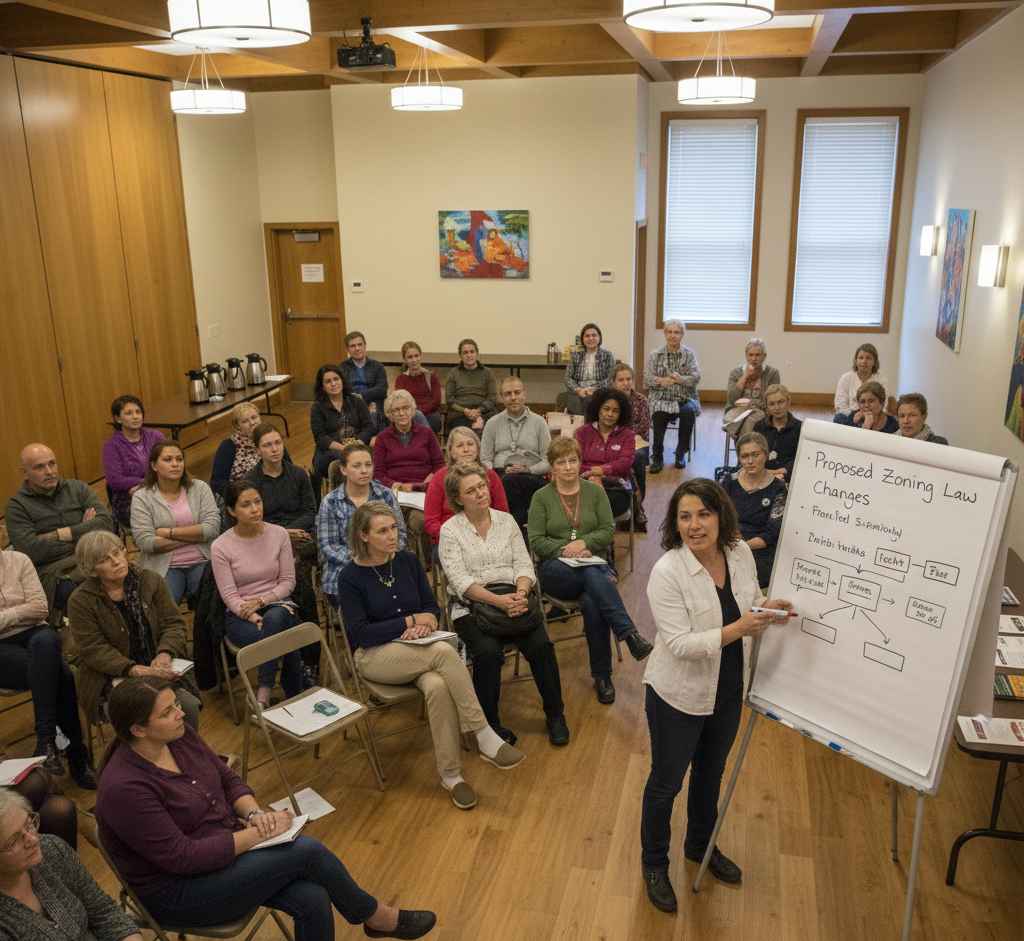
There is also the idea that “only lawyers can understand this.” Legal language can be dense, and some details of how laws are made do require training. But the basic steps—idea, bill, debate, vote, signature, implementation—are understandable to anyone if explained clearly. You do not need to know every clause to have a meaningful opinion about the direction of your country’s laws.
When you let go of these myths, you make space for a more realistic and hopeful relationship with how laws are made.
Final Thoughts: Learning How Laws Are Made Is a Lifelong Skill
Understanding how laws are made will not solve every political problem, but it gives you a strong foundation. Instead of feeling lost whenever you hear about a new bill or policy, you can place it inside a clear process. You will know whether something is still just an idea, stuck in committee, passed one chamber, or already signed into law.
You have seen how laws are made from the first spark of an idea to the final publication in an official record. You have seen where experts, committees, courts, and citizens fit in, and how misunderstandings can lead people to feel more powerless than they actually are.
You do not need to memorise every detail of how laws are made today. What matters is that you stay curious, keep asking how and why, and remember that laws are not magic. They are human decisions, made in human institutions, which means they can be questioned, improved, and, when necessary, changed.
As you keep learning how laws are made in your own country and others, you will be better prepared to protect your rights, support good ideas, and push back against bad ones. That is not just politics; that is part of being an active, aware human being in any society.
FAQ: How Laws Are Made
Do all countries make laws in the same way?
No. Every country has its own constitution and procedures, so the details of how laws are made can vary a lot. However, most democratic systems share basic steps such as drafting a bill, debating it, voting on it, and having a head of state or court confirm it.
How long does it usually take for a bill to become law?
There is no single timeline. Some bills move quickly, especially in emergencies, while others take months or even years of debate. The pace depends on political agreement, complexity, and how controversial the topic is. In general, how laws are made is designed to be careful rather than instant.
Can a court really block a law?
In many countries, yes. Constitutional or supreme courts can review laws and strike down parts that violate fundamental rights or conflict with the constitution. This judicial review is one of the checks built into how laws are made to prevent abuse of power.
What happens if a president or head of state refuses to sign a law?
In some systems, a refusal, or veto, sends the bill back to the legislature. Lawmakers may revise it or try to override the veto with a higher‑than‑usual majority. In other systems, the head of state’s role is mostly symbolic, and they do not usually block laws that have passed the legislature.
How can I follow how laws are made in my own country?
Many parliaments and congresses now have websites where they publish bills, schedules, debates, and votes. You can search for official government or parliament pages and look for sections like “legislation” or “how laws are made.” Local news outlets and civic education organisations also often explain major bills in simpler language.