

If you feel like your paycheck disappears the moment it arrives, you are not alone. Many people, even with decent incomes, struggle to manage salary in a way that covers bills, builds savings, and still leaves room for a life. It can be frustrating to work hard all month and still feel broke by the second or third week.
This guide is for you if you are tired of guessing where your money went and want a simple, realistic way to manage salary, bills, and savings without complicated spreadsheets or extreme sacrifices. You will learn how money really flows through your month, why you keep feeling stuck, and how to build a clear plan that works whether you earn a little or a lot.
You do not need to be “good with numbers” to manage salary better. You just need to understand a few key ideas and apply them consistently. Let’s break it down step by step.
What It Really Means to Manage Salary, Bills, and Savings
When people say they want to manage salary better, they often mean they want to stop feeling out of control. They want to know that when money enters their account, it has a job, and they will not wake up one morning with a negative balance and no idea how it happened.

In simple terms, to manage salary well means you decide in advance what your money will do, instead of letting random impulses and emergencies decide for you. Your salary is divided intentionally between fixed bills, flexible spending, savings, and any debt payments you have, in a way that you can sustain for months and years.
This does not mean you never spend on fun or comfort. A good plan is not about punishing yourself. It is about balance. You still go out, buy things you enjoy, and take small trips, but you do it without destroying your ability to pay next month’s rent or build a safety net.
Managing salary, bills, and savings also means understanding timing. Many people have salaries that arrive monthly, while bills and card payments are scattered across different dates. If you do not match these up, you may run out of money in the middle of the month, even if the total income and expenses look fine on paper. Learning to align due dates and automate payments is a big part of how you manage salary without chaos.
Once you see your money as something you actively direct, instead of something that just “happens” to you, a lot of stress starts to fade.
Why You Feel Broke Even When You Have a Salary
It can be confusing to look at your salary slip, see a reasonable number, and still feel broke. Understanding why this happens is important if you want to manage salary more effectively.
One reason is lifestyle creep. As your income grows, your spending quietly grows with it. You upgrade your phone, rent, food, and habits, sometimes without really noticing. Each change feels small, but together they eat up every extra bit of money you thought you would save. If you never decide in advance what to do with raises or bonuses, they simply disappear into new expenses.
Another reason is lack of visibility. Many people do not actually know their true monthly spending. They might remember big bills like rent or loan payments, but forget about smaller regular costs such as subscriptions, transport, snacks, or impulse online shopping. These “invisible” expenses are often what pushes you from okay to “I’m broke” each month.
Debt is another factor. If you carry credit card balances, personal loans, or buy‑now‑pay‑later instalments, interest and fees can quietly drain your money. You may feel like you are paying and paying, but the total barely moves. Without a plan, this can make your attempt to manage salary feel pointless, because a big part of your income is going to the past instead of the present or future.
Finally, emotions play a role. Money is connected to stress, guilt, and sometimes shame. When you feel overwhelmed, it is tempting to avoid looking at your accounts or ignore bills until the last moment. This avoidance makes things worse, not better. To manage salary well, you need to bring the numbers out into the open and face them with curiosity instead of judgment.
Step 1: Understand Your Monthly Cash Flow
The first step to manage salary properly is to understand your cash flow. Cash flow is simply how money moves in and out of your life over time. If you only look at totals and not timing, you will always be surprised.
Start by noting when your salary arrives and how much actually hits your account after tax and other deductions. This is your real starting point, not the “gross” number on your offer letter. Then list your fixed bills with their due dates: rent or mortgage, utilities, phone, internet, insurance, loan payments, and any other regular commitments.
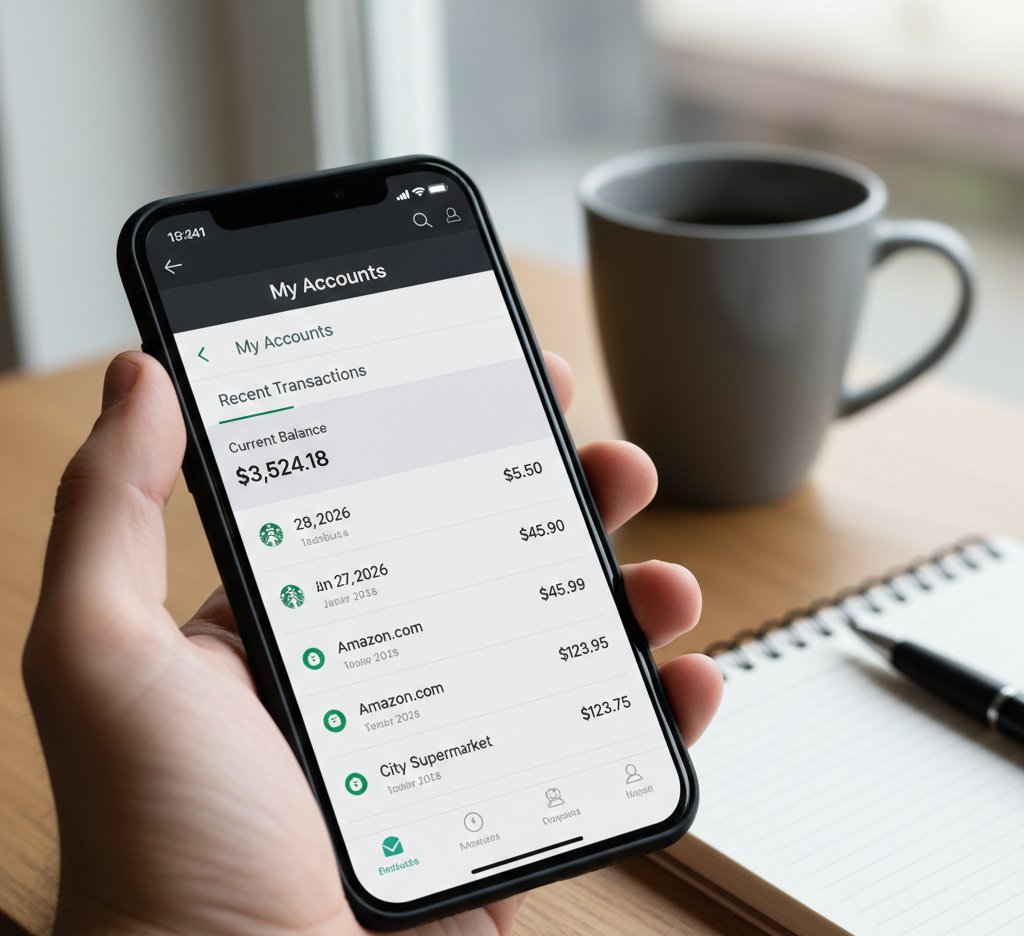
Now look at your flexible spending. This includes groceries, transport, eating out, entertainment, shopping, and small daily costs. You might need to look back at the last one or two months of bank statements to get a realistic picture. Many people are shocked when they see how much is going to areas they barely remember.
Once you have this overview, you can see whether your current pattern is sustainable. Do you spend most of your salary in the first week? Do big bills hit just before your next paycheck, leaving you scrambling? Seeing this clearly is the foundation of any plan to manage salary in a calm and organised way.
Step 2: Separate Essentials, Wants, and Future You
A powerful way to manage salary is to divide your spending into three broad categories: essentials, wants, and future you. This is similar to popular frameworks like the 50/30/20 rule described on sites such as Investopedia at https://www.investopedia.com/what-is-the-50-30-20-budget-rule-5216932, but you do not need to follow any rule perfectly.
Essentials are the things you must pay to live and work: housing, basic food, utilities, necessary transport, and minimum debt payments. These are the non‑negotiables. If you do not cover them, your life becomes very stressful very quickly.
Wants are the things that make life enjoyable in the short term: going out, streaming services, new clothes, gadgets, hobbies, and treats. You should not eliminate all of these; you are not a robot. But you do need to be honest about how much you can afford in this category if you want to manage salary wisely.
Future you is everything you do to make your future more secure and comfortable: emergency savings, long‑term investments, extra debt payments, and saving for big goals like education, a home, or travel. Ignoring this category is one of the main reasons people feel stuck, even after years of earning.
When you see your expenses through this lens, it becomes easier to adjust. Maybe your essentials are too high and you need to renegotiate or move. Maybe your wants are quietly crowding out your future. The goal is not to feel guilty, but to make choices that match your real priorities.
Step 3: Automate Bills So You Stop Chasing Due Dates
One of the simplest ways to manage salary with less stress is to automate as much as possible. Late fees and “oops, I forgot” moments are expensive and completely avoidable once your system is set up.
Ideally, you want your main bills to be paid automatically soon after your salary arrives. That way, you are not tempted to spend that money elsewhere. Many banks and service providers allow you to set up auto‑debit or standing instructions for recurring payments like rent, utilities, loans, and subscriptions.
If your bill due dates are scattered, you can sometimes call providers and ask to move them closer to your salary date. It may take a couple of cycles to align everything, but once you do, it becomes much easier to manage salary because you know that your essentials are handled in the first few days of the month.
You should still check your statements and bills regularly to make sure everything looks correct. Automation is not an excuse to ignore your finances; it is a way to reduce the mental load so you can focus on bigger decisions instead of chasing every small payment.
Step 4: Pay Yourself First, Not Last
A common mistake people make when they try to manage salary is to save “whatever is left” at the end of the month. In reality, there is usually nothing left, because our spending tends to expand to whatever is available.
A more effective approach is to pay yourself first. This means treating savings and investments as a regular, non‑negotiable part of your budget, just like rent or a loan payment. As soon as your salary arrives, you move a fixed amount into a separate savings or investment account before you start spending on wants.
The amount can be small at first. Even a modest percentage of your income, done consistently, is far better than waiting for a perfect month that never comes. Over time, as you earn more or reduce other expenses, you can increase this amount. The habit itself is more important than the initial figure.
By paying yourself first, you send a powerful message to yourself: your future matters. You are not just working for bills and short‑term pleasures. You are also working for financial stability, freedom, and options later in life.
Step 5: Create Simple Guardrails for Daily Spending
Once your essentials and savings are mostly taken care of, the area where you can easily lose control is daily spending. This is where small, frequent expenses quietly undermine your efforts to manage salary.
Instead of tracking every cent in a complicated app, you can create simple guardrails. One practical method is to keep your main bill and savings accounts separate from your everyday spending account. After covering bills and savings, you transfer a weekly or bi‑weekly amount into your daily spending account, and that is what you use for food, transport, and fun.
When that account gets low, you know it is time to slow down. Because this money is already separated from your essentials and savings, you can make spending decisions with more clarity and less fear. You are not accidentally eating into rent money.
You can adjust these guardrails as you learn more about your habits. The key is that you have a system that automatically limits overspending, instead of relying only on willpower after a long, exhausting day.
Step 6: Tackle Debt Strategically, Not Emotionally
If you have debt, it will heavily influence how you manage salary, bills, and savings. Debt is not a moral failure, but it is a reality you need to face with a clear plan.

Start by listing your debts: balances, interest rates, and minimum payments. This includes credit cards, personal loans, student loans, buy‑now‑pay‑later instalments, and overdrafts. Seeing the full picture can be scary, but it is the only way to make a real strategy.
There are two well‑known approaches. The “snowball” method means paying off the smallest balances first to get quick wins and motivation. The “avalanche” method means focusing extra payments on the highest interest rate debt first, which saves more money in the long run. You can read about both strategies on trusted sites like the US Consumer Financial Protection Bureau at https://www.consumerfinance.gov/ or similar finance authorities in your country.
Whichever method you choose, the important thing is to be consistent. Always pay at least the minimums on all debts to avoid extra fees and damage to your credit. Then, direct as much extra as you realistically can toward your target debt. When one balance is cleared, roll that payment into the next.
If your debt feels overwhelming and is connected to your early career years, you may find it useful to go deeper into this topic with a focused guide like Debt Payoff Plan: 7 Powerful Steps for Young Professionals once you have your basic monthly system in place.
Step 7: Adjust Your Plan as Your Life Changes
A money plan is not a rigid prison. To manage salary successfully over many years, you need to adjust your system as your life changes. New jobs, raises, relocations, relationships, health issues, and children all affect how you use your money.
When your income increases, it is tempting to immediately increase your lifestyle. Instead, you can decide that a portion of every raise will go directly to savings or investments before you upgrade anything else. This is one of the fastest ways to improve your financial situation without feeling like you are constantly squeezing your current budget.

When your expenses increase, such as higher rent or new obligations, revisit your categories. See whether some wants can be reduced for a while, or whether you need to temporarily lower your savings rate to stay realistic. The point is not to stick to a perfect percentage, but to stay conscious and honest.
Regular money check‑ins help a lot. Once a month, sit down for fifteen to thirty minutes, look at your accounts, see what worked and what did not, and make small adjustments. This habit turns “manage salary” from a one‑time project into a sustainable way of living.
Common Mistakes That Keep You Feeling Broke
As you build your new system, it helps to know what patterns might pull you back into old habits. Many people, even those who know how to manage salary in theory, fall into similar traps.
One common mistake is pretending that certain expenses “don’t count.” Maybe it is food delivery, small online purchases, or rideshares. Because each transaction is small, you mentally file it as harmless. But over a month, these can easily add up to a large amount. The goal is not to ban them completely, but to be aware of how big they really are and decide consciously whether they are worth it.
Another mistake is relying only on motivation. At the start of a new plan, you feel excited and determined. You track every rupee or dollar, cook at home, and avoid temptation. But motivation fades. Without systems like automation, separate accounts, and regular check‑ins, your old patterns will return when you are tired or stressed.
Some people also punish themselves for every slip. If they overspend one weekend, they feel like they have “failed” and give up altogether. A healthier approach is to treat mistakes as information. Ask what triggered the overspending, adjust your systems, and move on. Long‑term success in managing salary is about getting back on track quickly, not about never making errors.
Finally, comparing yourself constantly to others can make you feel broke even when you are doing okay. Social media shows highlights, not full bank statements. You rarely see the debt, stress, or family support behind someone else’s lifestyle. Focus on your own numbers, your own goals, and your own progress. That is what truly matters.
Final Thoughts: You Can Learn to Manage Salary on Any Income
Managing salary, bills, and savings is a skill, not a talent you are born with. If no one taught you how money works and you have made mistakes in the past, that does not define your future. You can decide, starting now, to understand your cash flow, separate essentials from wants, pay yourself first, and build systems that protect you from your own worst impulses.
You do not need to be rich to feel less broke. You need clarity, intention, and a simple structure that fits your real life. As you keep practising, your confidence grows. You stop avoiding your banking app. You start feeling a little more relaxed when bills are due. You see your savings and debt balances slowly moving in the right direction.
Over time, these small, boring, consistent actions add up to something powerful. When you look back after a year or two of truly learning to manage salary, you may be surprised at how much calmer and more in control you feel—not because the world became easier, but because you became better at steering your own financial ship.
FAQ: Managing Salary, Bills, and Savings
How do I start to manage salary if I am already in debt?
Begin by understanding your full cash flow: income, fixed bills, and flexible spending. Make sure minimum payments are covered, then look for small areas to cut back so you can free up extra money. Use that extra to slowly reduce high‑interest debt while still paying essentials.
Is it possible to save on a very low income?
It is harder, but still possible to build the savings habit. Even small amounts matter. When you pay yourself first, even with a tiny percentage, you build the muscle of saving. As your income grows or expenses change, you can increase the amount.
Should I invest or build an emergency fund first?
Most people are better off building a basic emergency fund first, so they do not need to rely on credit cards for every surprise expense. Once you have a small buffer, you can start investing a portion of your savings while still adding to that safety net over time.
How often should I review my budget?
A monthly review works well for most people. Once a month, spend some time checking your spending, bills, and progress toward goals. If you are going through big changes, like a new job or move, you might need more frequent check‑ins for a while.
Do I need budgeting apps to manage salary properly?
Budgeting apps can help, but they are not required. You can manage salary with a notebook, a simple spreadsheet, or even just separate bank accounts and a clear routine. The best tool is the one you actually use regularly without feeling overwhelmed.