

Choosing a career can feel scary—especially when everyone around you is asking, “So, what will you do in the future?” If you’re not sure, you’re not alone. Most students feel confused about their career path at some point.
The good news is: you don’t need to have everything figured out today. You just need to take a few smart steps in the right direction.

In this guide, you’ll learn a simple, step‑by‑step way to choose a career path that actually fits you—your strengths, interests, and goals.
1. Start with knowing yourself
Before you think about jobs and degrees, start with you. A career will take years of your life, so it should match who you are.
1.1 Identify your strengths and interests
Ask yourself:
- Which school subjects do I enjoy the most?
- What tasks do people often say I’m good at?
- What activities make me lose track of time?
Look for patterns. For example:
- If you love Math and problem‑solving, you may suit careers in engineering, finance, data, or programming.
- If you enjoy writing and speaking, you might like journalism, marketing, law, or teaching.
- If you’re drawn to helping people, careers in medicine, psychology, social work, or HR may fit you.
You can also use free online tools like career aptitude tests or personality tests (such as MBTI‑style tests). These won’t give you a final answer, but they can give you ideas.
1.2 Understand your values and lifestyle goals
Your values also matter:
- Do you want a job with stability and routine?
- Do you prefer flexibility, travel, or remote work?
- Is a high salary your top priority, or do you care more about meaningful work?
Write down 3–5 things that matter most to you in life and work. Use these as a filter when you compare different career options.
2. Explore career options (without pressure)
Once you know yourself better, start exploring what’s out there—without trying to decide immediately.
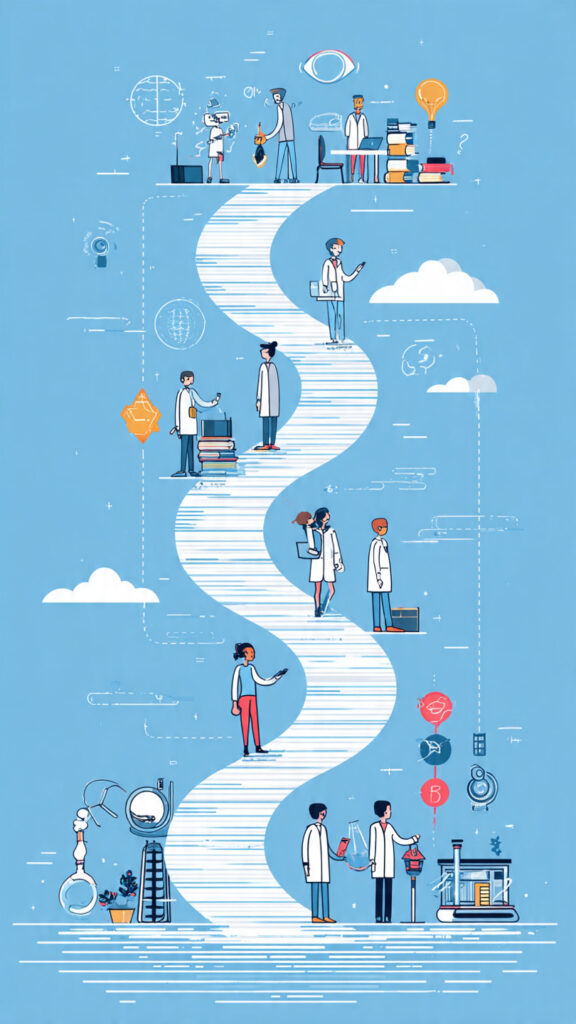
2.1 Make a “shortlist” of possible careers
Based on your interests and strengths, create a list of 5–10 careers that seem interesting. For each one, quickly check:
- What does a typical day look like?
- What skills are required?
- What is the average salary range?
- What is the future demand (is it growing or shrinking)?
You can use:
- Google (“Day in the life of a ____”)
- YouTube videos by professionals in that field
- Career websites (e.g., government or university career pages)
2.2 Talk to real people in those careers
This is very powerful and very underused.
- Ask your teachers, relatives, or friends if they know someone in that field.
- Request a 15–20 minute informational interview (online or in person).
You can ask questions like:
- How did you get into this career?
- What do you like and dislike about your job?
- What skills are most important in your work?
- If you were a student again, what would you do differently?
Talking to real people often gives you clearer answers than any website.
3. Match your education path to your career goals
Now connect your career ideas to specific education choices (courses, degrees, training).

3.1 Understand the different education routes
Depending on your country and level, you might have options like:
- University degree (e.g., Engineering, Business, Medicine, Computer Science)
- Diploma or vocational courses (e.g., Graphic design, Electrician, Nursing assistant)
- Online certificates (e.g., coding, digital marketing, data analytics)
- Apprenticeships (learning a trade while working)
For each career on your shortlist, ask:
- What minimum qualification is usually required?
- Are there faster or cheaper paths into this field?
- Do I need a specific major/subject?
3.2 Think in steps, not all at once
You don’t need to plan your entire life now. Think in steps:
- Choose a broad direction (e.g., tech, healthcare, business, design).
- Pick an education path that keeps doors open within that direction.
- Use internships and projects (see next section) to test and refine.
It’s OK if you later specialize or even change fields. Many successful people do.
4. Gain real‑world experience early
Real‑world experience helps you know if you actually like a field, and it makes your resume stronger.

Here are some ways to get experience as a student:
4.1 Internships and part‑time jobs
Look for:
- Summer or winter internships related to your interest area
- Part‑time roles in companies, NGOs, or startups
- College or school projects with industry links
Even if the job is small or unpaid at first, the learning and network can be very valuable.
4.2 Volunteering and student clubs
Join:
- College clubs (like coding club, debate, entrepreneurship, arts, etc.)
- NGOs or community projects
- Online communities or open‑source projects (for tech)
These help you:
- Build skills (communication, leadership, teamwork)
- Discover what you enjoy doing in real situations
- Make friends and contacts who can guide you
5. Create a simple career action plan
Now turn your ideas into a clear, simple plan.

5.1 Set short‑term goals (next 6–12 months)
Examples:
- Complete a basic online course in Python / marketing / design
- Apply for at least 3 internships in my chosen area
- Talk to 5 professionals about their careers
- Improve one key skill (e.g., English, public speaking, Excel, coding)
Write these goals down and give each a deadline.
5.2 Set medium‑term goals (next 2–5 years)
Examples:
- Finish my degree/diploma with good grades
- Build a portfolio (projects, designs, writing samples, GitHub, etc.)
- Get at least one strong internship or work experience
- Attend 2–3 events or conferences in my field
You don’t need every detail perfect, but having a direction keeps you moving.
6. Common mistakes to avoid when choosing a career
While you plan, try to avoid these traps:
6.1 Choosing only because of parents or friends
Advice from family is valuable, but:
- Don’t choose a career only because your parents or friends say so.
- They may not know your true interests or the latest job trends.
Listen to them, but make the final decision based on research + self‑knowledge.
6.2 Focusing only on salary
Money is important, but:
- If you hate your daily work, high pay won’t make you truly happy.
- Many careers let you grow your income over time as you gain skills.
Aim for a balance: good income + work you can tolerate or enjoy.
6.3 Being afraid to change direction
You might start in one field and later discover another that fits you better. That’s normal.
What matters is:
- Keep learning
- Build transferable skills (communication, problem‑solving, digital skills)
- Be willing to adjust your path when you gain new information
7. Quick action checklist
Here is a simple checklist to get started this week:
- List your top 5 strengths and interests
- Make a shortlist of 5–10 possible careers
- Research each career for at least 15–20 minutes
- Talk to at least 2 people working in careers you like
- Choose a broad direction (tech, business, healthcare, design, etc.)
- Find education options that match that direction
- Plan one small step you will take this month (course, event, internship, etc.)
Final thoughts
Choosing a career is not a one‑time decision. It’s a journey of trying things, learning, and adjusting. If you stay curious, keep improving your skills, and take consistent small steps, you will move closer to a career that fits you.
Start today with just one action from the checklist—and your future self will thank you.