
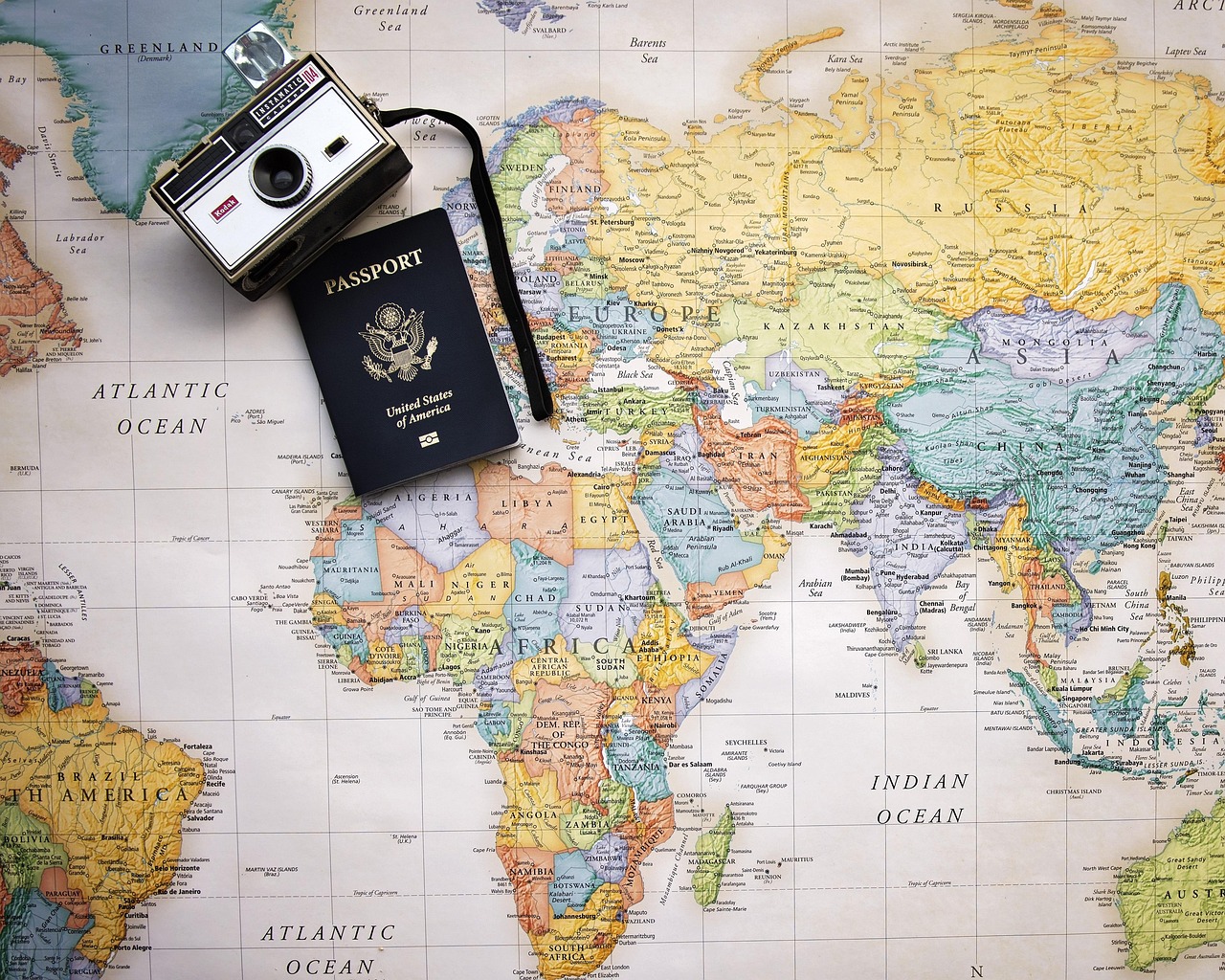
Traveling as a Muslim can feel stressful when you start thinking about where to find halal food, especially in non‑Muslim countries. The good news: with a bit of planning and a few smart tricks, you can enjoy your trip and still eat halal without feeling worried all the time.
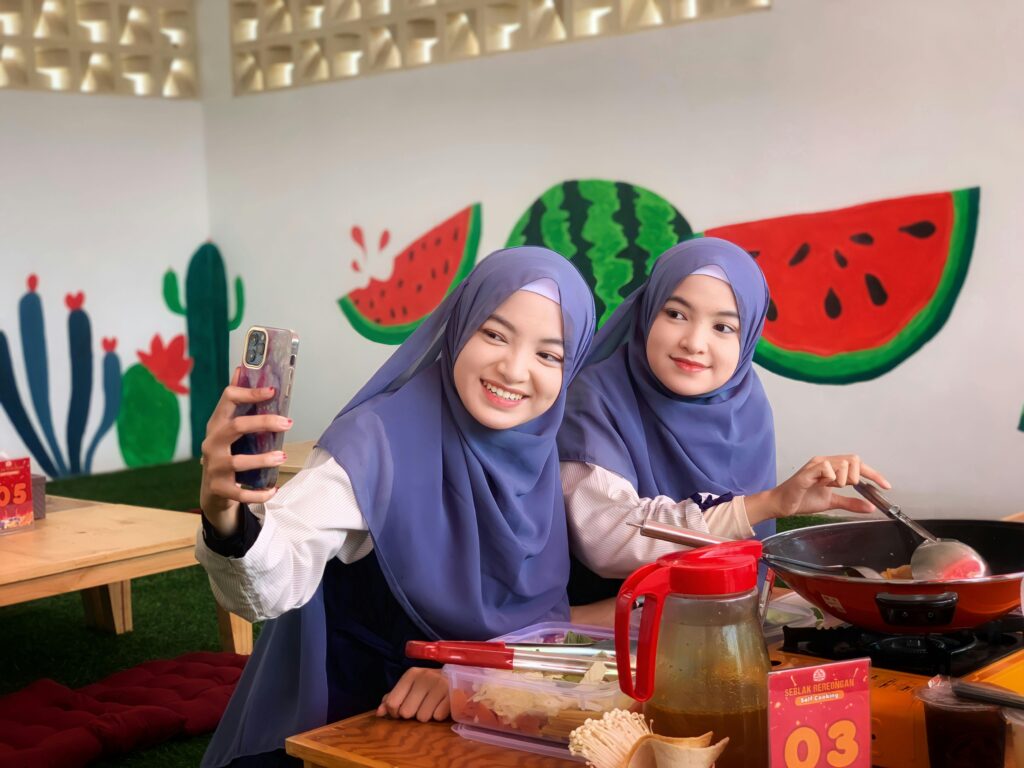
In this guide, we’ll go through simple, beginner‑friendly tips to help you find halal food anywhere in the world—plus what to do if you can’t find halal meat at all.
1. Plan Before You Fly: Do a Little Food Research
The easiest way to avoid stress is to research before your trip.
A few things you can do:
- Use Google Maps
- Search for:
halal restaurant,halal food,halal kebab,halal Indian,halal Pakistani,Turkish restaurant, etc. - Read recent reviews and check photos for signs like “halal”, “حلال”, “no pork”, etc.
- Search for:
- Check halal apps and websites (availability depends on country):
- Zabihah
- HalalTrip
- Local Islamic center or mosque websites often list nearby halal restaurants.
- Look at Instagram and TikTok
- Search:
#halalfood + city name(example:#halalfoodparis,#halalfoodtokyo). - Many Muslim travelers share halal spots and reviews.
- Search:
You don’t need a full list, but having 5–10 halal options saved in your map for each city will make you feel much more relaxed.

2. Learn the Words and Labels for Halal
In many places, you’ll see “halal” written in English or Arabic (حلال). However, sometimes you’ll see different phrases that are “Muslim‑friendly” but not always fully halal.
Look for:
- Clear halal signs or certificates – usually with a logo from an official halal authority.
- Phrases like:
- “Halal certified”
- “100% halal meat”
- “No pork, no alcohol” (good sign but still ask a few questions)
Be careful with:
- “Halal option available” – sometimes only one or two dishes are halal.
- Restaurants that say “no pork” but still serve alcohol or unclear meat sources. Ask how they source their meat.
When in doubt, politely ask:
- Is your meat halal?
- Do you have a halal certificate?
- Is there any pork, lard, bacon, ham, or alcohol used in this dish?
3. In Muslim‑Majority Countries: Easier, But Still Check
In Muslim‑majority countries (like Saudi Arabia, UAE, Turkey, Malaysia, Indonesia, Pakistan, Egypt, etc.), most meat is naturally halal. Still, it’s good to:
- Prefer places with visible halal signs or certificates, especially in tourist areas.
- Be cautious with:
- International chains
- Fancy restaurants serving alcohol
- Very touristy spots where menus are more “global”
Street food is often safe in terms of halal, but still think about:
- Cleanliness of the stall
- How long food has been sitting out
- Whether the same oil is used for different kinds of meat
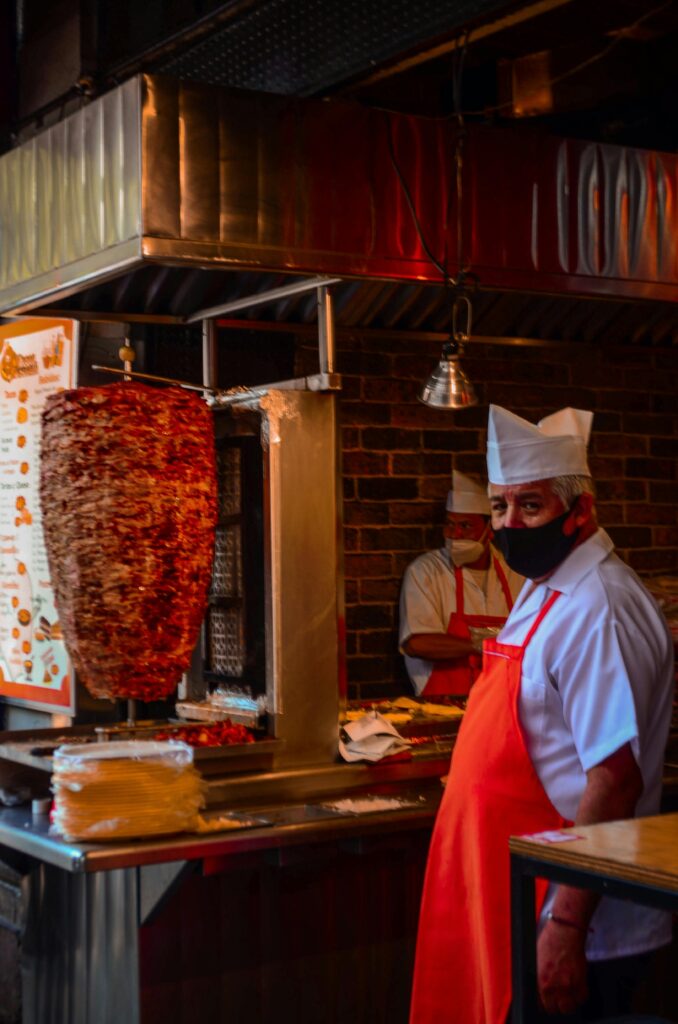
4. In Non‑Muslim Countries: Smart Ways to Find Halal Options
In non‑Muslim countries, you’ll need a few smart strategies, especially in smaller towns.
Look for certain cuisines
These types of restaurants often have halal options:
- Turkish / Middle Eastern / Arab
- Pakistani / Indian / Bangladeshi
- Malaysian / Indonesian
- Some African (e.g., Moroccan, Somali, Sudanese)
Always check or ask if they really serve halal meat and if all dishes are halal.
Visit mosques and Islamic centers
Mosques are a great resource:
- People there usually know the best local halal restaurants and butchers.
- Sometimes there are small halal cafés or snack shops nearby.
Check student and immigrant areas
Areas with:
- Universities
- Large immigrant communities
…often have kebab shops, halal burger places, and halal grocery stores.
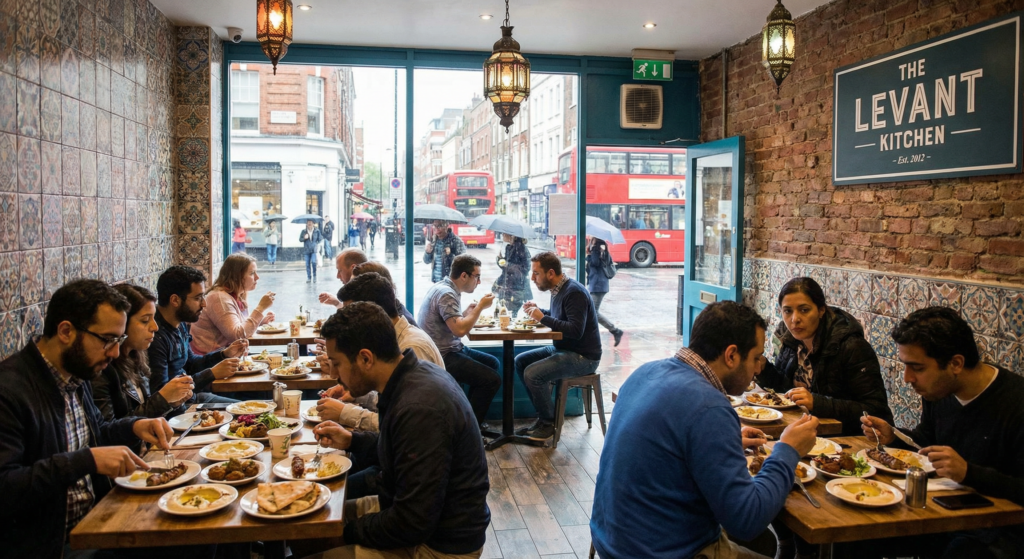
5. What to Eat When You Can’t Find Halal Meat
Sometimes you’ll be in a place with no confirmed halal meat. You can still eat comfortably by focusing on:
- Seafood
- Fish, shrimp, calamari, etc., if you’re comfortable with it from an Islamic perspective.
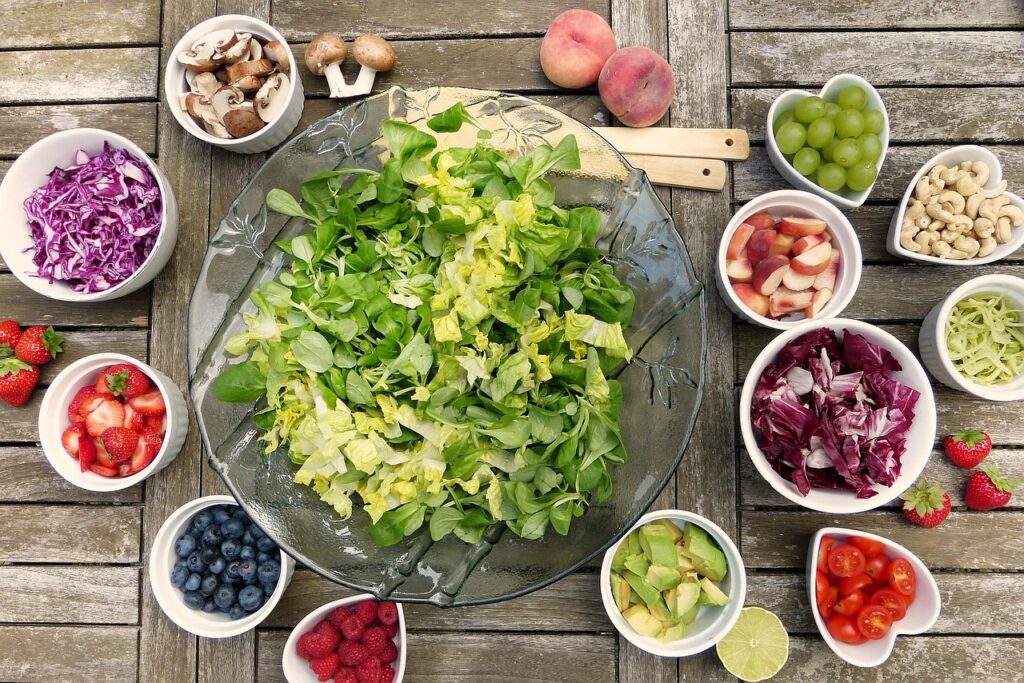
- Vegetarian or vegan dishes
- Pasta with tomato or pesto (no meat, no wine)
- Vegetable curries, lentils, chickpeas
- Salads, soups (check there’s no bacon/ham in them)
- Veggie pizza without pepperoni/ham
When choosing vegetarian food:
- Ask if they use meat stock, lard, gelatin, or alcohol in sauces.
- Choose places that clearly mark vegetarian/vegan options.
Some people also choose to eat at kosher restaurants when no halal is available, as many rules are similar, but this is a personal decision—always follow your own madhhab and what you trust.
6. Useful Phrases to Explain Your Needs
Learning a few simple phrases in the local language can help a lot. You can also keep them written on your phone.
Examples of things you might need to say:
- “I don’t eat pork, bacon, or ham.”
- “I don’t eat meat unless it is halal.”
- “Does this contain alcohol?”
- “Is the soup cooked with meat stock or pork?”
You can:
- Use Google Translate and save key phrases offline.
- Show a pre‑written message to the waiter if speaking is difficult.
- Search “Muslim travel card [language]” – some websites provide printable cards with your dietary needs in different languages.
7. Pack Some Halal Snacks Just in Case
To feel more relaxed, always carry a small emergency food kit, especially on long travel days.
Ideas:
- Halal‑certified instant noodles or soup cups
- Halal beef jerky, sausages, or tuna cans
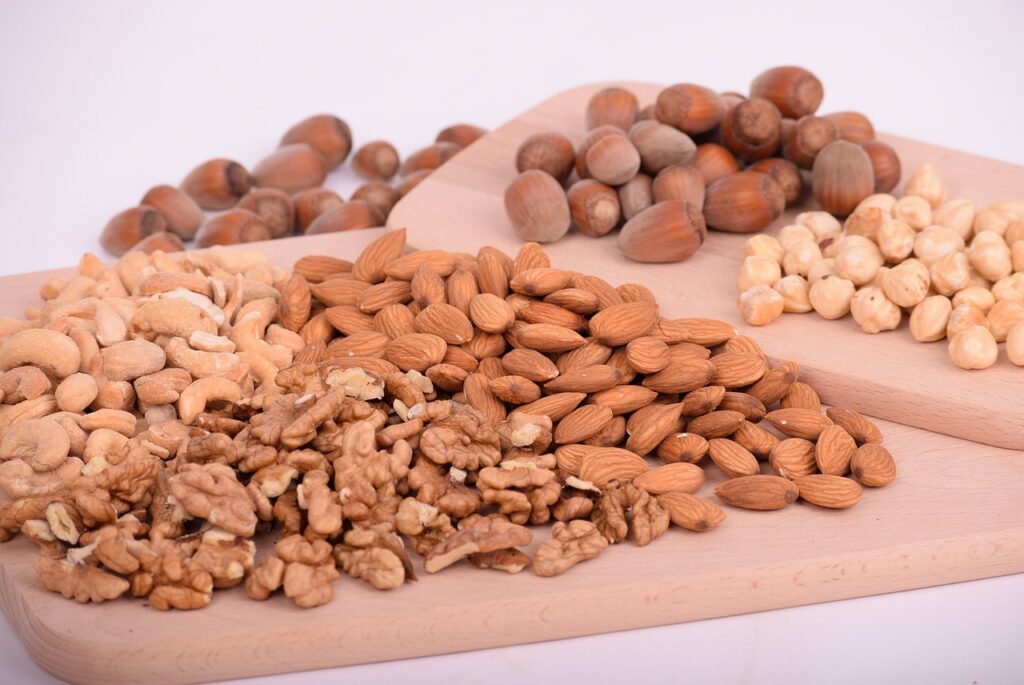
- Nuts, dates, biscuits, granola bars
- Tea/coffee sachets you like
- A small travel‑size peanut butter or chocolate spread
This is very helpful:
- At airports with limited options
- On long train/bus rides
- In hotels with non‑halal breakfast buffets
8. Street Food: Halal, Clean, and Safe
Street food is often the best way to taste local flavors, but you need to balance halal, hygiene, and your stomach’s sensitivity.
Tips:
- Choose busy stalls with a fast turnover (food is fresher).
- Watch how they handle raw meat and cooked food.
- See if they reuse very old oil or keep food uncovered in the heat.
- Ask simple questions about ingredients:
- “Any pork?”
- “Any alcohol?”
- “Is the meat halal?”
If you’re unsure, skip it. There will always be other options.
Final Thoughts: Yes, You Can Travel and Stay Halal
Traveling as a Muslim doesn’t mean you have to give up your halal standards or live on plain bread and water. With a bit of research, some useful apps, clear questions, and a few backup snacks, you can enjoy amazing food all over the world—while still staying true to your faith.
Start small: pick one destination, save a few halal places on your map, pack some snacks, and go.
What’s the biggest challenge you face with halal food when you travel?
Share it in the comments—and if you know any great halal spots in your city, mention them to help other Muslim travelers!